Support our educational content for free when you buy through links on our site. Learn more
Are Robot Wrestling Matches Safe for Spectators and Robots? 🤖 (2026)

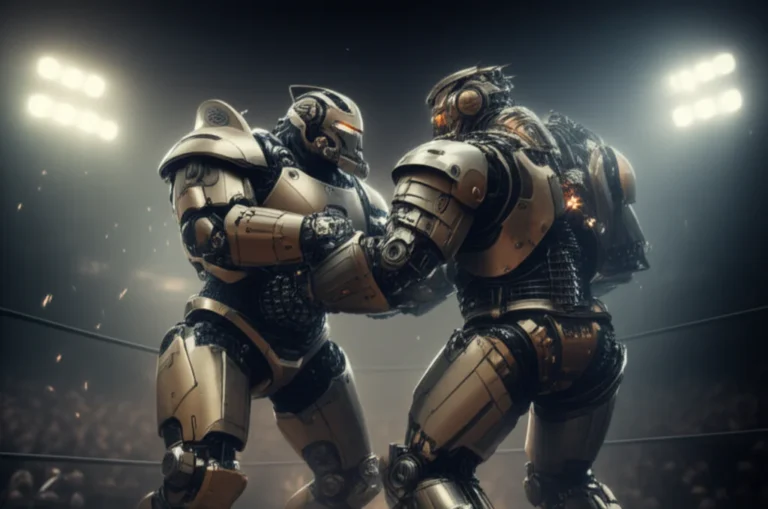
Robot wrestling is a spectacle of sparks, metal, and high-octane collisions that thrills fans worldwide. But with robots spinning at thousands of RPMs and weapons designed to maim, a burning question lingers: Are robot wrestling matches truly safe for the spectators and the robots themselves? Spoiler alert: the answer is a cautious yes—but only when strict safety protocols are in place.
From the evolution of arena design with bulletproof Lexan shields to the rigorous pre-match inspections and emergency fire suppression plans, this article dives deep into every layer of safety that keeps the chaos contained. Curious about how a 3lb Beetleweight robot can punch through a quarter-inch Lexan sheet without turning the arena into a danger zone? Or how battery fires are handled without panic? Stick around—we’ve got the inside scoop from robot designers, engineers, and fans who live and breathe this electrifying sport.
Key Takeaways
- Multi-layered arena barriers and steel reinforcements protect spectators from flying debris and high-energy impacts.
- Strict pre-match safety checks, including failsafe radio systems and weapon locks, prevent accidents during combat.
- Proper personal protective equipment (PPE) and workshop discipline are essential for builders and operators.
- Lithium Polymer (LiPo) battery safety is critical; charging, storage, and handling protocols minimize fire risks.
- Emergency preparedness with fire extinguishers, sand buckets, and ventilation systems ensures quick response to incidents.
- Spectators enjoy the thrill safely thanks to enforced distance, overhead shielding, and vigilant event staff.
Ready to learn how robot wrestling balances jaw-dropping action with top-notch safety? Let’s get into the nuts and bolts!
Table of Contents
- ⚡️ Quick Tips and Facts About Robot Wrestling Safety
- 🤖 The Evolution of Robot Wrestling: Safety Milestones and Innovations
- 🛡️ Top Safety Protocols for Robot Wrestling Events: Protecting Robots and Spectators
- 1️⃣ Essential Safety Gear for Builders and Operators: PPE and More
- 2️⃣ Battery Safety in Combat Robotics: LiPo Batteries and Beyond
- 3️⃣ Pre-Match Safety Checks: Ensuring Robots Are Ready and Safe to Compete
- 4️⃣ Pit Area Safety: Managing Chaos Behind the Scenes
- 5️⃣ Arena Safety Measures: Designing a Battle Zone That Protects Everyone
- 6️⃣ Spectator Safety: How Fans Stay Safe While Enjoying the Robot Rumble
- 7️⃣ During the Match: Real-Time Safety Protocols and Emergency Responses
- 8️⃣ Post-Match Safety: Handling Robots and Debris After the Dust Settles
- ⚡️ Toxic Fumes and Hazardous Materials: What You Need to Know
- 🧯 Emergency Preparedness: What to Do When Things Go Wrong
- ✅ Compliance with Competition Rules: Safety Standards and Regulations
- 🎥 Must-See Safety Videos from Just ‘Cuz Robotics and Other Experts
- 🔧 Tool and Work Environment Safety: Building Robots Without the Ouch
- 🧰 Testing and Operation Safety: From Workshop to Arena
- 🔋 Safe Storage and Handling of Batteries: Avoiding Fiery Disasters
- 📊 Safety Incident Statistics and What They Teach Us
- 💡 Expert Tips and Tricks for Maximizing Safety in Robot Wrestling
- 🎯 Conclusion: Striking the Perfect Balance Between Thrills and Safety
- 🔗 Recommended Links for Robot Wrestling Safety Resources
- ❓ Frequently Asked Questions About Robot Wrestling Safety
- 📚 Reference Links and Further Reading
⚡️ Before we dive into the flying shrapnel and high-voltage thrills, make sure you’re up to speed on What Are the Rules of Robot Wrestling & 12 Ways Matches Are Scored? 🤖 (2026).
⚡️ Quick Tips and Facts About Robot Wrestling Safety
Safety isn’t just a suggestion in the world of robot design; it’s the difference between a legendary match and an early trip to the ER. Here’s the “too long; didn’t read” version for those of you itching to get into the arena:
- Lexan is King: Modern arenas use high-impact polycarbonate (Lexan) shielding. It’s the same stuff used in bulletproof windows.
- Failsafes are Mandatory: If a robot loses its radio signal, it must shut down immediately. No “zombie robots” allowed!
- LiPo Danger: Lithium Polymer batteries are the lifeblood of combat robots, but they can turn into mini-flamethrowers if punctured.
- Weapon Locks: Every robot with an active weapon must have a physical lock (like a steel pin) to prevent accidental activation in the pits.
- PPE is Non-Negotiable: Safety glasses are the minimum. We’ve seen a 1lb “Antweight” throw a shard of titanium across a room—don’t risk your vision!
- The “Golden Rule”: According to the experts at ITGRESA, “Safety in combat robotics ensures that the focus remains on design, skill, and strategy, rather than accidents or injuries.”
🤖 The Evolution of Robot Wrestling: Safety Milestones and Innovations
In the early days of competitions, safety was… let’s call it “experimental.” We’re talking about the 90s era of BattleBots and Robot Wars, where arenas were sometimes just plywood boxes with a bit of chicken wire.
As the kinetic energy of these machines increased, so did the danger. We transitioned from simple wedges to high-speed vertical spinners like Bite Force or Minotaur that can store enough energy to flip a car. This evolution forced the industry to adopt SPARC (Standardized Procedures for the Advancement of Robotic Combat) rules. These standards ensure that whether you are at a local event announcement or a televised championship, the safety protocols are uniform.
Question to ponder: Can a 3lb “Beetleweight” robot actually punch through a 1/4-inch Lexan sheet? We’ll reveal the terrifying truth in the Arena Safety section! 😱
🛡️ Top Safety Protocols for Robot Wrestling Events: Protecting Robots and Spectators
Safety is a multi-layered sandwich. You’ve got the arena, the robot’s internal systems, and the human element. When these layers work together, the sport is incredibly safe.
The Three Pillars of Event Safety
- Containment: Keeping the “ouch” inside the box.
- Control: Ensuring the operator is always in charge of the machine.
- Inspection: A rigorous “Tech Check” before any robot touches the arena floor.
As noted in a popular Facebook community discussion, “Robots are built to withstand impacts, but spectators should always stay behind barriers.” This highlights that while the robots are designed for destruction, the environment is designed for absolute protection.
1️⃣ Essential Safety Gear for Builders and Operators: PPE and More
If you’re building a robot, you’re essentially building a weaponized RC car. You need the right gear.
Recommended Safety Gear Rating
| Gear Type | Importance | Recommended Brand | Why You Need It |
|---|---|---|---|
| Safety Glasses | 10/10 | 3M Virtua CCS | Protects against high-speed metal splinters. |
| Cut-Resistant Gloves | 9/10 | Dex Fit Level 5 | Essential when handling sharp robot armor. |
| Fire Extinguisher | 10/10 | First Alert Tundra | Specifically for LiPo or electrical fires. |
| Ear Protection | 7/10 | Howard Leight Impact Sport | Spinners can reach deafening decibels. |
👉 Shop Safety Gear on:
- 3M: Amazon | Walmart | 3M Official Website
- Dewalt: Amazon | Dewalt Official Website
2️⃣ Battery Safety in Combat Robotics: LiPo Batteries and Beyond
Lithium Polymer (LiPo) batteries are the gold standard because they offer high discharge rates in a small package. However, they are also the most dangerous component. If a robot like Tombstone hits your battery housing, you aren’t just looking at a dead robot; you’re looking at a chemical fire.
LiPo Safety Best Practices ✅
- Use a Balance Charger: Never use a cheap wall-wart. Use a high-quality charger like the ISDT 608AC.
- Charge in a LiPo Bag: Always charge inside a fire-resistant bag or a Bat-Safe container.
- Check for “Puffing”: If the battery looks like a bloated marshmallow, it’s a ticking time bomb. Dispose of it immediately.
CHECK PRICE on LiPo Safety Equipment:
- Bat-Safe: Amazon | Bat-Safe Official Website
- ISDT Chargers: Amazon | ISDT Official Website
3️⃣ Pre-Match Safety Checks: Ensuring Robots Are Ready and Safe to Compete
Before any match in the Robot Wrestling™ League, every bot goes through “Tech.”
The Tech Check Checklist:
- Radio Failsafe: The inspector turns off your transmitter. If your wheels keep spinning, you fail.
- Weapon Lock: A physical pin must be present.
- Sharp Edges: No exposed blades are allowed in the pits without covers.
- Weight Check: A robot over its weight class is a safety hazard because the arena floor might not be rated for its impact energy.
4️⃣ Pit Area Safety: Managing Chaos Behind the Scenes
The “Pits” are where the real work happens. It’s a frantic environment filled with soldering irons, power tools, and stressed-out engineers.
Personal Story: We once saw a builder accidentally trigger a 3lb vertical spinner in the pits because they forgot their weapon lock. The robot “walked” across the table, destroying a laptop and narrowly missing a teammate’s hand. Always use your weapon locks!
Pit Rules to Live By:
- No Testing in the Pits: If you need to spin up your weapon, go to the designated Test Box.
- Soldering Safety: Keep your Weller or Hakko soldering station away from flammable cleaning spirits.
- Organization: A messy pit is a dangerous pit. Use organizers like those from Milwaukee Packout.
5️⃣ Arena Safety Measures: Designing a Battle Zone That Protects Everyone
Remember that question about 1/4-inch Lexan? The answer is YES. A high-energy Beetleweight (3lb) can crack or even penetrate a single layer of 1/4-inch polycarbonate if the impact is concentrated.
This is why professional arenas use:
- Dual-Layer Lexan: Two sheets of 1/4″ or 3/8″ Lexan with an air gap between them. The first layer absorbs the impact; the second layer catches the debris.
- Steel Kick-Plates: The bottom 6-12 inches of the arena walls are usually reinforced with AR500 steel to prevent robots from “climbing” out.
- Sealed Floors: To prevent battery fires from leaking through to the venue floor.
6️⃣ Spectator Safety: How Fans Stay Safe While Enjoying the Robot Rumble
Spectators are the lifeblood of the sport, and their safety is the #1 priority. Unlike the VEX Robotics World Championships, which focuses on educational robots with lower kinetic energy, combat robot spectators are protected by massive physical barriers.
Why You’re Safe as a Fan:
- Distance: Spectator seating is usually set back at least 5-10 feet from the Lexan.
- Overhead Protection: Many arenas have a “ceiling” of Lexan or heavy-duty mesh to catch parts that fly upward.
- Staff Oversight: Referees and safety officers monitor the crowd to ensure no one is leaning against the glass.
7️⃣ During the Match: Real-Time Safety Protocols and Emergency Responses
When the buzzer sounds, the Referees are the law. They have a “Kill Switch” for the arena hazards and can pause the match at any time.
Reasons for a Match Stop:
- Fire: If a LiPo goes up, the match is paused, and the arena is evacuated/ventilated.
- Lexan Breach: If a robot cracks the outer shielding, the match ends immediately.
- Uncontrolled Robot: If a robot’s failsafe fails and it starts attacking the arena walls uncontrollably.
8️⃣ Post-Match Safety: Handling Robots and Debris After the Dust Settles
The match doesn’t end when the timer hits zero. The most dangerous time is often after the fight.
The Deactivation Process:
- Weapon Lock Re-insertion: Before the robot is picked up, the weapon lock must be engaged.
- Power Down: The robot is turned off using a “Removable Link” or a high-current switch like the FingerTech Mini Power Switch.
- Debris Clearing: Referees use brooms and magnets to clear the floor of “robot guts” (screws, shards of armor, etc.).
⚡️ Toxic Fumes and Hazardous Materials: What You Need to Know
When a robot catches fire, it’s not just wood smoke. You’re dealing with:
- Lithium Vapors: Highly irritating to the lungs.
- Burning Plastics: PVC and ABS release toxic chlorine and cyanide gases when combusted.
Expert Tip: If you see white or purple smoke, do not breathe it in. Most venues use high-powered industrial fans to vent the arena immediately after a fire. This is a crucial part of the opinion pieces we often share regarding venue selection.
🧯 Emergency Preparedness: What to Do When Things Go Wrong
Every event must have an emergency plan. This includes:
- Sand Buckets: The best way to smother a LiPo fire.
- Fire Blankets: To cover a smoking robot while it’s being moved outside.
- First Aid Kits: Stocked with more than just Band-Aids—think “trauma kit” for deep cuts.
👉 Shop Emergency Gear on:
- First Alert: Amazon | Walmart
- MyMedic: Amazon | MyMedic Official Website
✅ Compliance with Competition Rules: Safety Standards and Regulations
To keep the sport growing, we must follow the rules. Most famous matches you see on TV are governed by strict rulebooks that dictate everything from the thickness of your battery box to the type of radio frequency you can use (2.4GHz is the standard to prevent interference).
Key Regulatory Bodies:
- SPARC: The gold standard for hobbyist combat.
- BattleBots Inc.: Specific rules for the heavyweights (250lbs).
- VEX Robotics: Safety rules for educational and VRC matches.
🎥 Must-See Safety Videos from Just ‘Cuz Robotics and Other Experts
If you’re a visual learner, we highly recommend checking out Just ‘Cuz Robotics on YouTube. Seth, the lead engineer there, has some of the best tutorials on:
- How to build a safe test box.
- The proper way to wire a combat robot to avoid “magic smoke.”
- Testing the limits of Lexan with high-speed spinners.
🔧 Tool and Work Environment Safety: Building Robots Without the Ouch
Your workshop is your sanctuary, but it’s also full of things that want to bite you.
Workshop Safety Essentials:
- Drill Press Safety: Never hold a piece of metal by hand while drilling; use a vice.
- Angle Grinder Awareness: Always wear a full face shield, not just glasses.
- Soldering Ventilation: Use a fume extractor like the KOTTO Solder Fume Extractor to keep those lead and flux fumes out of your lungs.
🧰 Testing and Operation Safety: From Workshop to Arena
Never, ever test your robot’s weapon on the kitchen floor. We’ve seen it happen, and it usually ends with a hole in the drywall (or the fridge).
How to Test Safely:
- Build a Test Box: A small version of an arena made of 1/4″ Lexan.
- Tethering: Tie the robot down so it can’t move while you test the weapon.
- Line of Sight: Never stand directly in the “plane of rotation” of a spinner. If a tooth breaks off, it will fly out sideways.
🔋 Safe Storage and Handling of Batteries: Avoiding Fiery Disasters
When you aren’t at a match, your batteries should be stored at “Storage Voltage” (roughly 3.8V per cell).
Storage Comparison Table
| Storage Method | Safety Level | Portability | Best For |
|---|---|---|---|
| Ammo Can (Modified) | High | Medium | Long-term storage. |
| Bat-Safe Box | Very High | High | Charging and transport. |
| LiPo Bag | Medium | Very High | Short-term travel. |
| Open Shelf | ❌ Dangerous | High | DO NOT DO THIS. |
📊 Safety Incident Statistics and What They Teach Us
While specific injury rates in robot wrestling are hard to come by (mostly because they are so low!), data from the Consumer Product Safety Commission (CPSC) on RC hobbies suggests that 90% of accidents occur during maintenance or charging, not during the actual competition.
This tells us that the “safe” part of the sport—the match—is actually the most controlled. The danger lies in the moments when we let our guard down in the workshop.
💡 Expert Tips and Tricks for Maximizing Safety in Robot Wrestling
As a team of designers and fans, we’ve seen it all. Here are our “pro-tips” for staying safe:
- The “Two-Person” Rule: Never test a high-energy weapon alone. If something goes wrong, you need someone to hit the E-stop or call for help.
- Color-Coded Wiring: Use red for positive and black for negative. It sounds simple, but “reverse polarity” is the #1 cause of workshop fires.
- Respect the Kinetic Energy: Treat a spinning weapon with the same respect you would give a loaded firearm.
- Use a “Pre-Flight” Checklist: Just like a pilot, go through your safety checks every single time you power up.
Product Spotlight: FingerTech Viper Combat Robot Kit
If you’re a beginner, we recommend starting with a kit that prioritizes safety.
| Feature | Rating (1-10) | Notes |
|---|---|---|
| Design | 9 | Extremely well-engineered for beginners. |
| Safety Features | 8 | Includes weapon locks and clear instructions. |
| Durability | 9 | Can take a beating from other Antweights. |
| Ease of Assembly | 7 | Requires some patience but very rewarding. |
👉 Shop FingerTech on:
- FingerTech Robotics: Official Website
- Amazon: Search FingerTech Kits
Conclusion: Striking the Perfect Balance Between Thrills and Safety

After tearing through the nitty-gritty of robot wrestling safety, one thing is crystal clear: robot wrestling matches can be incredibly safe for both spectators and the robots themselves—when the right protocols are followed. From mandatory weapon locks and failsafe radio systems to multi-layered Lexan arenas and strict pre-match inspections, the sport has evolved into a well-oiled machine of controlled chaos.
Remember our earlier question about whether a 3lb Beetleweight can punch through 1/4-inch Lexan? The answer is yes, but that’s precisely why professional arenas use dual-layer Lexan with steel reinforcements and maintain safe spectator distances. This layered defense ensures that even the most powerful hits don’t translate into spectator hazards.
For builders and operators, personal protective equipment (PPE), battery safety, and rigorous workshop discipline are non-negotiable. The real danger lies not in the arena but in the moments before and after the match—charging batteries, testing weapons, and handling damaged parts.
If you’re new to the sport, we highly recommend starting with beginner-friendly kits like the FingerTech Viper Combat Robot Kit, which balances durability, safety, and ease of assembly. For seasoned veterans, investing in quality LiPo chargers, fire suppression gear, and arena upgrades will keep the excitement high and the risks low.
At Robot Wrestling™, we believe that safety fuels innovation and competition, not hinders it. So suit up, lock those weapons, and get ready to rumble—safely!
Recommended Links for Robot Wrestling Safety Resources
👉 Shop Safety Gear and Robotics Essentials:
- 3M Safety Glasses: Amazon | Walmart | 3M Official Website
- Dex Fit Cut-Resistant Gloves: Amazon
- First Alert Fire Extinguishers: Amazon | Walmart
- Howard Leight Ear Protection: Amazon
- ISDT LiPo Chargers: Amazon | ISDT Official Website
- Bat-Safe LiPo Storage Bags: Amazon | Bat-Safe Official Website
- FingerTech Viper Combat Robot Kit: FingerTech Official Website | Amazon
- KOTTO Solder Fume Extractor: Amazon
- MyMedic First Aid Kits: Amazon | MyMedic Official Website
Recommended Reading:
- BattleBots: The Official Guide to Building Combat Robots by Mark J. Smith — A comprehensive manual on robot design and safety.
- Robot Builder’s Bonanza by Gordon McComb — Covers workshop safety and electronics fundamentals.
❓ Frequently Asked Questions About Robot Wrestling Safety
What safety measures are in place for spectators at robot wrestling events?
Spectators are protected by multi-layered polycarbonate (Lexan) barriers, often reinforced with steel kick-plates at the bottom. Seating is set back several feet from the arena, and overhead shields prevent debris from flying into the crowd. Event staff enforce strict rules to keep fans behind barriers, and emergency ventilation systems handle toxic fumes from battery fires. These measures ensure fans can enjoy the action without risk.
How do robot wrestling leagues ensure the robots do not get damaged during matches?
While robot damage is part of the sport, leagues enforce weight classes, weapon restrictions, and arena design standards to minimize catastrophic failures. Pre-match inspections check for structural integrity and safety compliance. Robots must have failsafe systems to prevent uncontrolled behavior. The arena’s Lexan walls and steel reinforcements absorb impacts, protecting both robots and the venue.
Are there any risks of debris or parts flying into the audience during robot battles?
The risk exists but is mitigated by dual-layer Lexan shields and arena design. The outer Lexan absorbs initial impacts, while the inner layer catches fragments. Overhead mesh or Lexan ceilings further protect spectators. Matches are paused or stopped immediately if barriers are breached. Spectators are instructed to stay behind barriers at all times.
What materials are used in robot designs to enhance durability in wrestling matches?
Combat robots typically use titanium, AR500 steel, hardened aluminum alloys, and polycarbonate armor. These materials balance weight and strength, allowing robots to absorb and deliver powerful hits without catastrophic failure. Designers also use shock-absorbing mounts and reinforced frames to protect sensitive electronics.
How does the Official Robot Wrestling League regulate match safety standards?
The Official Robot Wrestling League follows guidelines inspired by SPARC and other governing bodies. These include mandatory weapon locks, radio failsafes, weight limits, and arena specifications. Robots undergo thorough tech inspections before matches. Referees have authority to stop matches for safety concerns. Compliance ensures a level playing field and protects all participants.
Can spectators interact with robots safely before or after wrestling matches?
Spectators may interact with robots in designated pit areas under supervision. Strict rules require robots to be powered down with weapons locked before handling. Operators often demonstrate robot features safely. However, casual touching or unsupervised interaction is prohibited to prevent accidents.
What protocols are followed if a robot malfunctions during a wrestling event?
If a robot malfunctions—such as losing failsafe control or catching fire—referees immediately pause or stop the match. Emergency crews respond with fire suppression equipment, including sand buckets and Class D extinguishers. The arena is ventilated to clear toxic fumes. Robots are safely removed from the arena, and damaged parts are handled with care to prevent further hazards.
📚 Reference Links and Further Reading
- ITGRESA Combat Robotics Safety Guide: https://itgresa.com/combat-robotics-safety/
- Facebook Robot Wrestling Safety Discussion: https://www.facebook.com/groups/56319454480/posts/10161295790669481/
- VEX Forum on 2020 VEX Robotics World Championships Finals: https://www.vexforum.com/t/vrc-finals-matches-in-freedom-hall-at-2020-vex-robotics-world-championships/77144
- Official SPARC Rules and Safety Standards: https://www.sparc.tools/SPARC_Judging_Guidelines_v1.3.pdf
- FingerTech Robotics Official Website: https://www.fingertechrobotics.com
- ISDT Chargers Official Website: https://www.isdt.co
- Bat-Safe LiPo Storage Solutions: https://www.bat-safe.com
- Just ‘Cuz Robotics YouTube Channel: https://www.youtube.com/@JustCuzRobotics
Ready to dive deeper? Check out our Robot Design and Competitions categories for more expert insights and thrilling match recaps!