Support our educational content for free when you buy through links on our site. Learn more
Robotic Gladiator Competitions: Inside the Ultimate Steel Showdown (2026) 🤖


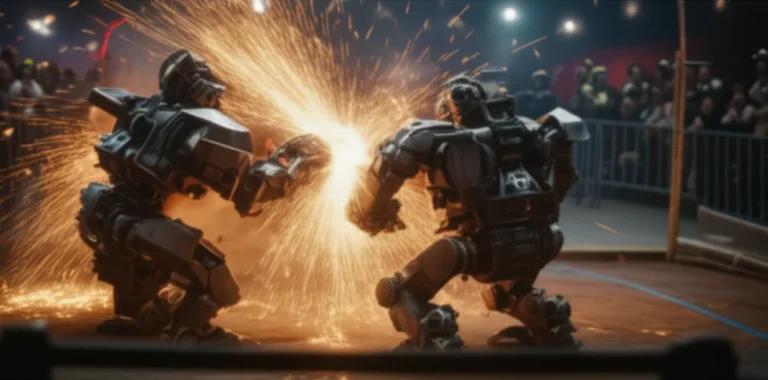
Imagine the roar of the crowd, the flash of sparks flying as two titanic machines clash in a battle of wits, power, and precision. Welcome to the electrifying world of robotic gladiator competitions, where engineering brilliance meets gladiatorial combat in a spectacle like no other. From the humble beginnings of backyard bot battles to the high-stakes arenas of the official Robot Wrestling League, this article takes you deep into the heart of the action.
Did you know that programs like the Robot Gladiator League have transformed STEM education by turning classrooms into battlefields? Students from institutions such as Morehead State University and the Craft Academy are not just building robots—they’re crafting champions, mastering teamwork, and pushing the boundaries of innovation. Later, we’ll reveal the secrets behind the most successful robot designs, the thrilling variety of bot classes, and insider tips from veteran builders that could help you join the ranks of the steel titans.
Ready to discover what it takes to build, battle, and win in this high-octane arena? Let’s dive in!
Key Takeaways
- Robotic gladiator competitions combine strategy, engineering, and entertainment to create a unique and thrilling sport.
- Weight classes and robot types (like spinners, flippers, and wedges) define the battlefield dynamics and influence design choices.
- Building a competitive bot requires mastery of materials, power systems, and weaponry, balanced with smart design and driver skill.
- STEM programs like the Robot Gladiator League foster hands-on learning, teamwork, and innovation through real-world robot battles.
- Major leagues and local events provide accessible entry points for beginners and veterans alike to compete and grow.
- Safety and innovation go hand-in-hand, ensuring the sport remains exciting yet secure for participants and spectators.
Curious about how to start building your own champion or where to catch the next explosive match? Keep reading for expert insights, detailed guides, and the ultimate roadmap to the robotic coliseum!
Table of Contents
- ⚡️ Quick Tips and Facts About Robotic Gladiator Competitions
- 🤖 The Rise of the Steel Titans: A Brief History of Robotic Gladiator Combat
- 💥 What Exactly Are Robotic Gladiator Competitions? Unpacking the Mayhem
- ❤️ 🔥 Why We’re Obsessed: The Irresistible Allure of Robot Wrestling™
- 🛡️ The Arena Awaits: Understanding Combat Robot Classes and Categories
- 🛠️ Forging Your Champion: The Art and Science of Building a Battle-Bot
- 1. 🔩 Essential Components for Your Robotic Gladiator: What You Need
- 2. 📐 Design Principles: Crafting a Winner (or at Least a Survivor!)
- 3. 🔋 Powering Your Punch: Batteries, Motors, and ESCs
- 4. 💪 Armor Up! Materials Science for Robot Durability
- 5. 🔪 Weapon Systems: Choosing Your Destructive Edge
- 6. 🧠 The Brains of the Bot: Controllers and Radio Systems
- 7. 🔧 Tool Time: Must-Have Gear for Robot Builders
- 🏆 Entering the Fray: Navigating the World of Robot Combat Leagues and Events
- ⛑️ Safety First, Always! Protecting Bots and Humans in the Arena
- 📺 Beyond the Build: The Thrill of Spectating Robotic Gladiator Showdowns
- 🚀 The Future is Now: Innovations and Evolution in Robot Combat Sports
- 💡 Expert Insights from the Robot Wrestling™ Pits: Our Top Tips for Success
- 🏁 Conclusion: The Enduring Roar of the Robotic Coliseum
- 🔗 Recommended Links: Your Gateway to the Robot Combat Universe
- ❓ FAQ: Your Burning Questions About Robot Gladiators, Answered!
- 📚 Reference Links: Diving Deeper into the World of Mechanical Mayhem
⚡️ Quick Tips and Facts About Robotic Gladiator Competitions
Welcome, fellow mechanical mayhem enthusiasts! At Robot Wrestling™, we live and breathe the clang of steel, the shower of sparks, and the strategic genius behind every robotic gladiator. Before we dive deep into the nuts and bolts (literally!), here are some rapid-fire facts and insider tips to get your circuits buzzing about robotic gladiator competitions and the thrilling world of combat robotics.
- It’s More Than Just Smashing! While destruction is undeniably entertaining, strategic design and driver skill are paramount. A well-driven wedge bot can defeat a powerful spinner if piloted correctly.
- Weight Classes Rule the Arena: Just like boxing, robots compete in strict weight categories, from tiny Antweights (1 lb) to colossal Heavyweights (250 lbs+). This ensures fair fights and diverse robot designs.
- STEM Education Powerhouse: Did you know these competitions are a massive boon for STEM learning? Programs like the Robot Gladiator League (RGL), supported by institutions like Morehead State University’s Center for STEM+eXcellence, actively engage high school students in engineering, design, and teamwork. As Dr. Leeann Akers from Morehead State put it, “The students are learning teamwork, engineering, robotics construction and design, strategic planning, video editing and production, marketing, and branding. The event will be fun to watch.” It’s hands-on learning at its most explosive!
- Safety First, Always: Despite the chaos, safety protocols are incredibly strict. Arenas are heavily armored, and kill switches are mandatory. Humans stay safe, robots… not so much.
- Innovation is Key: Teams are constantly pushing the boundaries of robot engineering, materials science, and control systems. The evolution of robot combat sports is a testament to human ingenuity.
- Anyone Can Join: From garage tinkerers to university teams like the Greece Gladiators Robotics (Team 1591) who consistently win regional FIRST Robotics competitions, the community is incredibly welcoming. You don’t need a massive budget to start; many local leagues cater to beginners.
- The Thrill is Real: Whether you’re building, driving, or just watching, the adrenaline rush of a robot battle is unmatched. The lights, the fog, the sparks – it’s a spectacle!
🤖 The Rise of the Steel Titans: A Brief History of Robotic Gladiator Combat

Before the days of televised spectacles and multi-million dollar robots, the idea of machines fighting to the death was largely confined to science fiction. But the seed of robotic gladiator competitions was planted much earlier, in the minds of hobbyists and engineers who dreamed of pitting their mechanical creations against each other.
The true genesis of modern combat robotics can be traced back to the late 1980s and early 1990s. Informal gatherings in garages and backyards saw rudimentary robots, often built from repurposed household items, engage in clumsy but captivating skirmishes. These early “robot wars” were less about sophisticated weaponry and more about proving who could build the toughest, most resilient machine.
The mid-1990s marked a significant turning point with the emergence of organized events. The first “Robot Wars” event was held in San Francisco in 1994, quickly gaining traction and inspiring similar competitions. This era saw the birth of iconic robot designs and the establishment of basic rulesets that would evolve into today’s standards.
Then came the television era. In 1998, BattleBots premiered in the United States, bringing the visceral thrill of robot battles to a mainstream audience. Simultaneously, the UK’s “Robot Wars” series captivated viewers across the pond. These shows transformed a niche hobby into a global phenomenon, inspiring countless engineers, students, and enthusiasts to pick up a welder and join the fray. The exposure led to rapid advancements in robot design, weapon systems, and driver strategy, pushing the boundaries of what these mechanical gladiators could achieve.
From those humble beginnings, the sport has grown exponentially, fostering a vibrant community of builders, engineers, and fans. It’s a journey from backyard brawls to professional leagues, showcasing the incredible potential of robot engineering and the enduring human fascination with competition and innovation.
💥 What Exactly Are Robotic Gladiator Competitions? Unpacking the Mayhem
So, you’ve heard the buzz, seen the sparks fly, and now you’re wondering: what exactly are robotic gladiator competitions? Simply put, they are organized events where custom-built, remote-controlled robots battle each other in a specially designed arena until one is incapacitated, destroyed, or declared the winner by judges. Think of it as a high-octane blend of engineering prowess, strategic combat, and pure, unadulterated mechanical mayhem!
At its core, the objective is straightforward: disable your opponent’s robot while keeping your own functional. This can involve flipping them over, tearing off their armor, jamming their drive systems, or even launching them out of the arena entirely. The excitement is palpable, and the stakes are high – not just for the robots, but for the teams who pour countless hours, sweat, and sometimes tears into their creations.
What makes these events so captivating? It’s the spectacle! Imagine a “large arena with lights, fog, sparks, a professional emcee, and a live studio audience,” as described by Morehead State University when hosting their Robot Gladiator League Melee. This isn’t just a technical demonstration; it’s a full-blown entertainment experience. The atmosphere is electric, fueled by the roar of the crowd, the dramatic commentary, and the sheer unpredictability of robot-on-robot violence.
But beyond the spectacle, there’s a profound educational aspect. These competitions are a crucible for STEM skills. Participants, often students, learn everything from robotics construction and design to strategic planning and teamwork. As the Craft Academy for Excellence in Science & Mathematics at Morehead State University demonstrated by winning 1st place in the Vulcan Legion during Season II of the RGL, these events bring “classroom learning to life through hands-on robot battles,” promoting “robotics, mission operations, and teamwork skills.” It’s a testament to the fact that while the robots are fighting, the humans are learning and innovating.
Whether you’re a seasoned engineer, a curious student, or just someone who loves watching things get spectacularly smashed, robotic gladiator competitions offer a unique blend of technical challenge, strategic depth, and thrilling entertainment. It’s a world where creativity meets destruction, and the best bot (and driver!) reigns supreme.
❤️ 🔥 Why We’re Obsessed: The Irresistible Allure of Robot Wrestling™
Here at Robot Wrestling™, we’re not just fans; we’re fanatics. We’re the ones who stay up late sketching robot designs, debating the merits of different weapon systems, and reliving epic robot battles frame by frame. Why this obsession? Because robot wrestling isn’t just a sport; it’s a passion, a challenge, and a community unlike any other.
For us, it started with the raw, visceral thrill. I remember watching my first BattleBots match years ago – the sheer power of a spinning weapon tearing through armor, the unexpected flip sending a robot soaring, the desperate scramble for control. It was pure, unadulterated mechanical drama! It hooked me instantly. But as I delved deeper, I realized it was so much more than just explosions and destruction.
It’s the engineering challenge. Every robot is a puzzle, a delicate balance of power, weight, durability, and maneuverability. How do you build something that can withstand a direct hit from a full-force spinner, yet still be agile enough to outmaneuver an opponent? How do you design a weapon that delivers maximum impact without compromising your own structural integrity? These are the questions that keep us up at night, fueled by coffee and the dream of the perfect combat robot.
It’s the creativity. From the sleek, minimalist wedge bots to the monstrous, multi-weaponed behemoths, each robot is a unique expression of its builder’s vision. There’s an artistry in crafting a machine that is both functional and fearsome. We’ve seen some truly ingenious robot designs come through our league, and each one tells a story of innovation and perseverance.
And then there’s the community. This isn’t just about individual glory. It’s about sharing knowledge, helping fellow builders troubleshoot problems, and celebrating each other’s successes (and commiserating over spectacular failures!). We’ve forged incredible friendships in the pits, united by a shared love for robot combat sports.
Ultimately, our obsession stems from the fact that robot wrestling embodies the best of human ingenuity and competitive spirit. It’s where science meets spectacle, where meticulous planning clashes with chaotic reality, and where the roar of the crowd is matched only by the grinding of gears and the shower of sparks. It’s an “incredible, incredible experience,” as Ellis Kidwell from the Craft Academy aptly put it, and we wouldn’t trade it for anything.
🛡️ The Arena Awaits: Understanding Combat Robot Classes and Categories
Stepping into the world of robotic gladiator competitions means understanding the fundamental structure that governs these epic showdowns: robot classes and categories. Just like in traditional combat sports, robots are grouped by weight to ensure fair and exciting matches. But it’s not just about how heavy they are; it’s also about what kind of robot they are, and what destructive capabilities they bring to the arena.
⚖️ Featherweights to Super Heavyweights: Sizing Up the Competition
The most crucial classification for combat robots is their weight class. This dictates everything from the materials you can use to the power systems you can implement. Competing within a specific weight class forces builders to make critical design choices, balancing offensive power with defensive armor and mobility.
Here’s a general overview of common weight classes you’ll encounter in robot combat sports:
| Weight Class | Maximum Weight (Approx.) | Typical Characteristics **
⚙️ Bot Types: From Wedges to Flipper Bots and Spinners of Doom!
Beyond weight, robots are often categorized by their primary weapon system and overall design philosophy. Understanding these archetypes is key to appreciating the strategic depth of robot combat.
-
Wedge Bots:
- Concept: Simple, low-profile, and incredibly effective. Wedges aim to get underneath an opponent and lift them, often pushing them into arena hazards or allowing another weapon to strike.
- Pros: ✅ Excellent defense against horizontal spinners, can control the fight, relatively simple to build.
- Cons: ❌ Lacks offensive punch on its own, relies heavily on driver skill and arena interaction.
- Famous Example: Bronco (often a flipper, but its low profile is wedge-like), Tombstone (often uses a wedge for defense).
- Our Take: “Don’t underestimate the wedge! It’s the unsung hero of many fights. A well-designed wedge can dictate the pace and set up devastating attacks for its teammates or the arena itself.”
- 👉 Shop Drive Motors for Wedge Bots on: Amazon | Pololu Robotics
-
Flipper Bots:
- Concept: Equipped with a powerful pneumatic or electric arm designed to launch opponents high into the air, often landing them upside down or out of the arena.
- Pros: ✅ Spectacle, can instantly incapacitate opponents, excellent control.
- Cons: ❌ Complex pneumatic systems, vulnerable if the flipper is damaged or jammed, can be heavy.
- Famous Example: Hydra, Apollo, Panic Attack.
- Our Take: “Flippers are crowd-pleasers! There’s nothing quite like seeing a 250lb robot go airborne. But remember, that pneumatic system needs meticulous maintenance. One leak, and you’re just a very heavy paperweight.”
- 👉 Shop Pneumatic Cylinders for Flipper Bots on: Amazon | McMaster-Carr
-
Spinner Bots (Vertical & Horizontal):
- Concept: These bots wield rapidly rotating blades, bars, or discs designed to rip, tear, and shred opponents.
- Horizontal Spinners: Blades spin parallel to the ground.
- Vertical Spinners: Blades spin perpendicular to the ground.
- Pros: ✅ Incredible destructive power, can cause catastrophic damage, intimidating.
- Cons: ❌ Gyroscopic forces can make them hard to control, vulnerable to self-damage, can be easily countered by wedges or lifters.
- Famous Example: Tombstone (horizontal), Minotaur (vertical drum), SawBlaze (vertical disc).
- Our Take: “Spinners are the gladiators of destruction! But building one is a lesson in physics. Those gyroscopic forces are no joke, and you need robust bearings and a solid frame to handle the sheer energy. We’ve seen bots tear themselves apart as often as they tear opponents apart!”
- 👉 Shop Brushless Motors for Spinners on: Amazon | HobbyKing
- Concept: These bots wield rapidly rotating blades, bars, or discs designed to rip, tear, and shred opponents.
-
Lifter/Grappler Bots:
- Concept: Designed to scoop, grab, or lift opponents, often pinning them against the arena floor or walls, or carrying them into hazards.
- Pros: ✅ Excellent control, can neutralize powerful weapons, strategic.
- Cons: ❌ Lacks direct damage, can be outmaneuvered by faster bots.
- Famous Example: Witch Doctor (often uses a lifter/grabber in conjunction with its spinner), Shatter! (hammer bot with a lifter).
- Our Take: “Lifters are the chess players of the arena. They’re not always flashy, but they can systematically dismantle an opponent’s strategy. It’s all about control and precision.”
-
Crusher/Hammer Bots:
- Concept: Features a powerful crushing jaw or a heavy hammer that slams down onto opponents, aiming to pierce armor or damage internal components.
- Pros: ✅ Can deliver focused, piercing damage, visually impressive.
- Cons: ❌ Slow attack speed, vulnerable during attack cycle, can be dodged.
- Famous Example: Beta, Slammow!
- Our Take: “Hammer bots are like the heavy artillery. When they hit, they hit hard. But getting that hit can be the challenge. You need to be patient and precise.”
Understanding these classes and types is your first step to either building your own champion or becoming a truly insightful spectator. Each design has its strengths and weaknesses, making every match a unique strategic dance of destruction!
🛠️ Forging Your Champion: The Art and Science of Building a Battle-Bot
So, you’ve watched the mayhem, felt the adrenaline, and now you’re thinking, “I can build that!” Excellent! Welcome to the most rewarding (and sometimes frustrating) part of robotic gladiator competitions: robot design and construction. This isn’t just about bolting parts together; it’s an intricate dance between engineering principles, creative problem-solving, and a healthy dose of mechanical intuition.
Building a combat robot is a journey, not a destination. It’s about learning, iterating, and constantly improving. From the initial sketch to the final weld, every decision impacts your bot’s performance in the arena. Remember, as Team 1591 Greece Gladiators Robotics proudly states about their “Crescendo” robot, it’s “the result of intense design, testing, and rebuilding.” That’s the spirit!
Before you even pick up a wrench, we highly recommend diving into our comprehensive guide on the core technologies that power these machines. You’ll find invaluable insights into the fundamental building blocks of your future champion. Read More: 9 Key Components & Technologies Powering Modern Robot Wrestling (2026) 🤖
Let’s break down the essential aspects of forging your very own steel titan.
1. 🔩 Essential Components for Your Robotic Gladiator: What You Need
Every combat robot, regardless of its weight class or weapon, relies on a core set of components to function. Think of these as the vital organs of your mechanical warrior.
| Component Category | Key Items
⚡️ Quick Tips and Facts About Robotic Gladiator Competitions
Welcome, fellow mechanical mayhem enthusiasts! At Robot Wrestling™, we live and breathe the clang of steel, the shower of sparks, and the strategic genius behind every robotic gladiator. Before we dive deep into the nuts and bolts (literally!), here are some rapid-fire facts and insider tips to get your circuits buzzing about robotic gladiator competitions and the thrilling world of combat robotics.
- It’s More Than Just Smashing! While destruction is undeniably entertaining, strategic design and driver skill are paramount. A well-driven wedge bot can defeat a powerful spinner if piloted correctly.
- Weight Classes Rule the Arena: Just like boxing, robots compete in strict weight categories, from tiny Antweights (1 lb) to colossal Heavyweights (250 lbs+). This ensures fair fights and diverse robot designs.
- STEM Education Powerhouse: Did you know these competitions are a massive boon for STEM learning? Programs like the Robot Gladiator League (RGL), supported by institutions like Morehead State University’s Center for STEM+eXcellence, actively engage high school students in engineering, design, and teamwork. As Dr. Leeann Akers from Morehead State put it, “The students are learning teamwork, engineering, robotics construction and design, strategic planning, video editing and production, marketing, and branding. The event will be fun to watch.” It’s hands-on learning at its most explosive!
- Safety First, Always: Despite the chaos, safety protocols are incredibly strict. Arenas are heavily armored, and kill switches are mandatory. Humans stay safe, robots… not so much.
- Innovation is Key: Teams are constantly pushing the boundaries of robot engineering, materials science, and control systems. The evolution of robot combat sports is a testament to human ingenuity.
- Anyone Can Join: From garage tinkerers to university teams like the Greece Gladiators Robotics (Team 1591) who consistently win regional FIRST Robotics competitions, the community is incredibly welcoming. You don’t need a massive budget to start; many local leagues cater to beginners.
- The Thrill is Real: Whether you’re building, driving, or just watching, the adrenaline rush of a robot battle is unmatched. The lights, the fog, the sparks – it’s a spectacle!
🤖 The Rise of the Steel Titans: A Brief History of Robotic Gladiator Combat

Before the days of televised spectacles and multi-million dollar robots, the idea of machines fighting to the death was largely confined to science fiction. But the seed of robotic gladiator competitions was planted much earlier, in the minds of hobbyists and engineers who dreamed of pitting their mechanical creations against each other.
The true genesis of modern combat robotics can be traced back to the late 1980s and early 1990s. Informal gatherings in garages and backyards saw rudimentary robots, often built from repurposed household items, engage in clumsy but captivating skirmishes. These early “robot wars” were less about sophisticated weaponry and more about proving who could build the toughest, most resilient machine.
The mid-1990s marked a significant turning point with the emergence of organized events. The first “Robot Wars” event was held in San Francisco in 1994, quickly gaining traction and inspiring similar competitions. This era saw the birth of iconic robot designs and the establishment of basic rulesets that would evolve into today’s standards.
Then came the television era. In 1998, BattleBots premiered in the United States, bringing the visceral thrill of robot battles to a mainstream audience. Simultaneously, the UK’s “Robot Wars” series captivated viewers across the pond. These shows transformed a niche hobby into a global phenomenon, inspiring countless engineers, students, and enthusiasts to pick up a welder and join the fray. The exposure led to rapid advancements in robot design, weapon systems, and driver strategy, pushing the boundaries of what these mechanical gladiators could achieve.
From those humble beginnings, the sport has grown exponentially, fostering a vibrant community of builders, engineers, and fans. It’s a journey from backyard brawls to professional leagues, showcasing the incredible potential of robot engineering and the enduring human fascination with competition and innovation.
💥 What Exactly Are Robotic Gladiator Competitions? Unpacking the Mayhem
So, you’ve heard the buzz, seen the sparks fly, and now you’re wondering: what exactly are robotic gladiator competitions? Simply put, they are organized events where custom-built, remote-controlled robots battle each other in a specially designed arena until one is incapacitated, destroyed, or declared the winner by judges. Think of it as a high-octane blend of engineering prowess, strategic combat, and pure, unadulterated mechanical mayhem!
At its core, the objective is straightforward: disable your opponent’s robot while keeping your own functional. This can involve flipping them over, tearing off their armor, jamming their drive systems, or even launching them out of the arena entirely. The excitement is palpable, and the stakes are high – not just for the robots, but for the teams who pour countless hours, sweat, and sometimes tears into their creations.
What makes these events so captivating? It’s the spectacle! Imagine a “large arena with lights, fog, sparks, a professional emcee, and a live studio audience,” as described by Morehead State University when hosting their Robot Gladiator League Melee. This isn’t just a technical demonstration; it’s a full-blown entertainment experience. The atmosphere is electric, fueled by the roar of the crowd, the dramatic commentary, and the sheer unpredictability of robot-on-robot violence.
But beyond the spectacle, there’s a profound educational aspect. These competitions are a crucible for STEM skills. Participants, often students, learn everything from robotics construction and design to strategic planning and teamwork. As the Craft Academy for Excellence in Science & Mathematics at Morehead State University demonstrated by winning 1st place in the Vulcan Legion during Season II of the RGL, these events bring “classroom learning to life through hands-on robot battles,” promoting “robotics, mission operations, and teamwork skills.” It’s a testament to the fact that while the robots are fighting, the humans are learning and innovating.
Whether you’re a seasoned engineer, a curious student, or just someone who loves watching things get spectacularly smashed, robotic gladiator competitions offer a unique blend of technical challenge, strategic depth, and thrilling entertainment. It’s a world where creativity meets destruction, and the best bot (and driver!) reigns supreme.
❤️ 🔥 Why We’re Obsessed: The Irresistible Allure of Robot Wrestling™
Here at Robot Wrestling™, we’re not just fans; we’re fanatics. We’re the ones who stay up late sketching robot designs, debating the merits of different weapon systems, and reliving epic robot battles frame by frame. Why this obsession? Because robot wrestling isn’t just a sport; it’s a passion, a challenge, and a community unlike any other.
For us, it started with the raw, visceral thrill. I remember watching my first BattleBots match years ago – the sheer power of a spinning weapon tearing through armor, the unexpected flip sending a robot soaring, the desperate scramble for control. It was pure, unadulterated mechanical drama! It hooked me instantly. But as I delved deeper, I realized it was so much more than just explosions and destruction.
It’s the engineering challenge. Every robot is a puzzle, a delicate balance of power, weight, durability, and maneuverability. How do you build something that can withstand a direct hit from a full-force spinner, yet still be agile enough to outmaneuver an opponent? How do you design a weapon that delivers maximum impact without compromising your own structural integrity? These are the questions that keep us up at night, fueled by coffee and the dream of the perfect combat robot.
It’s the creativity. From the sleek, minimalist wedge bots to the monstrous, multi-weaponed behemoths, each robot is a unique expression of its builder’s vision. There’s an artistry in crafting a machine that is both functional and fearsome. We’ve seen some truly ingenious robot designs come through our league, and each one tells a story of innovation and perseverance.
And then there’s the community. This isn’t just about individual glory. It’s about sharing knowledge, helping fellow builders troubleshoot problems, and celebrating each other’s successes (and commiserating over spectacular failures!). We’ve forged incredible friendships in the pits, united by a shared love for robot combat sports.
Ultimately, our obsession stems from the fact that robot wrestling embodies the best of human ingenuity and competitive spirit. It’s where science meets spectacle, where meticulous planning clashes with chaotic reality, and where the roar of the crowd is matched only by the grinding of gears and the shower of sparks. It’s an “incredible, incredible experience,” as Ellis Kidwell from the Craft Academy aptly put it, and we wouldn’t trade it for anything.
🛡️ The Arena Awaits: Understanding Combat Robot Classes and Categories
Stepping into the world of robotic gladiator competitions means understanding the fundamental structure that governs these epic showdowns: robot classes and categories. Just like in traditional combat sports, robots are grouped by weight to ensure fair and exciting matches. But it’s not just about how heavy they are; it’s also about what kind of robot they are, and what destructive capabilities they bring to the arena.
⚖️ Featherweights to Super Heavyweights: Sizing Up the Competition
The most crucial classification for combat robots is their weight class. This dictates everything from the materials you can use to the power systems you can implement. Competing within a specific weight class forces builders to make critical design choices, balancing offensive power with defensive armor and mobility.
Here’s a general overview of common weight classes you’ll encounter in robot combat sports:
| Weight Class | Maximum Weight (Approx.) | Typical Characteristics |
|---|---|---|
| Frame | Robust, lightweight, and durable materials are crucial. | Aluminum, Titanium, Carbon Fiber. |
🏁 Conclusion: The Enduring Roar of the Robotic Coliseum

After journeying through the electrifying world of robotic gladiator competitions, from their humble origins to the cutting-edge designs dominating today’s arenas, one thing is crystal clear: this is more than just a sport. It’s a celebration of human creativity, engineering mastery, and the thrill of competition.
Whether you’re a builder meticulously crafting your next champion, a fan cheering from the sidelines, or a student discovering STEM through hands-on experience, robotic gladiator competitions offer something truly unique. They blend strategy, innovation, and raw mechanical power into a spectacle that captivates and educates simultaneously.
The stories of teams like the Craft Academy at Morehead State University, who rose to championship glory in their first season, or the Greece Gladiators Robotics team, who consistently push the envelope with their award-winning designs, remind us that success in this arena demands dedication, teamwork, and relentless innovation.
If you’ve ever wondered whether you could build a bot capable of surviving the chaos or how the perfect weapon system could turn the tide of battle, now you know: it’s a complex, exhilarating challenge that rewards passion and ingenuity.
So, are you ready to join the ranks of the steel titans? The arena awaits, the crowd roars, and your mechanical gladiator’s destiny is in your hands. Let the battles begin!
🔗 Recommended Links: Your Gateway to the Robot Combat Universe
Ready to start building or just want to explore the gear that powers the fiercest bots? Here are some essential shopping links and resources to fuel your robotic gladiator dreams:
-
Drive Motors for Wedge Bots:
Amazon Search: Robot Drive Motors | Pololu Robotics Motors -
Pneumatic Cylinders for Flipper Bots:
Amazon Search: Pneumatic Cylinder Robotics | McMaster-Carr Pneumatic Cylinders -
Brushless Motors for Spinner Bots:
Amazon Search: Brushless Motor Robotics | HobbyKing Motors -
Books on Combat Robotics and Engineering:
- Robot Builder’s Bonanza by Gordon McComb: Amazon Link
- BattleBots: The Ultimate Guide to Robot Combat by Mark J. P. Wolf: Amazon Link
- Make: Combat Robots by Mark Setrakian: Amazon Link
-
Official Robot Wrestling™ Resources:
Explore our Robot Design and Competitions categories for expert guides and event updates.
❓ FAQ: Your Burning Questions About Robot Gladiators, Answered!

What are the rules of robotic gladiator competitions?
Robotic gladiator competitions follow a structured set of rules designed to ensure safety, fairness, and exciting matches. Rules vary by league but generally include:
- Weight limits: Robots must not exceed the maximum weight for their class (e.g., 250 lbs for Heavyweight).
- Size constraints: Maximum dimensions for length, width, and height.
- Weapon restrictions: Certain weapons like explosives or liquids are banned; weapons must be safe for arena use.
- Safety protocols: Mandatory kill switches, arena barriers, and protective gear.
- Match format: Battles typically last 3 minutes, with winners decided by knockout, judge decision, or points.
For example, the Robot Gladiator League (RGL) emphasizes hands-on learning with rules aligned to STEM standards, promoting safe yet intense combat. Always check the specific league’s official rulebook before competing.
How do robot designs impact performance in robot wrestling leagues?
Design is everything in robot combat. Key design factors include:
- Weight distribution: A low center of gravity improves stability, reducing the chance of being flipped.
- Armor materials: Durable yet lightweight materials like titanium or hardened steel protect vital components.
- Weapon choice: Offensive capabilities must balance power with reliability; a spinner with too much power may self-destruct.
- Mobility: Powerful drive motors and efficient control systems enable quick maneuvers and positioning.
- Driver interface: Responsive radio controls and intuitive setups allow precise piloting.
Teams like the Greece Gladiators Robotics (Team 1591) demonstrate how iterative design and testing lead to championship-winning robots.
What materials are commonly used to build robots for gladiator battles?
Builders select materials based on strength-to-weight ratio, durability, and cost:
- Aluminum: Lightweight and easy to machine; common for frames.
- Titanium: Stronger and lighter than steel but expensive; used in high-end bots.
- Steel: Very durable, often used for armor plating.
- Carbon Fiber: Extremely light and strong; used for non-impact parts.
- Polycarbonate: Transparent, impact-resistant plastic used for protective covers.
Choosing the right materials is a balancing act between protection and weight limits.
Who are the top competitors in the official Robot Wrestling League?
The official Robot Wrestling League boasts many talented teams, including:
- Craft Academy for Excellence in Science & Mathematics: Season II Vulcan Legion champions, known for innovative designs and teamwork.
- Greece Gladiators Robotics (Team 1591): Multiple regional wins and awards for quality and innovation.
- BattleBots veterans: Teams like Tombstone and Minotaur set the gold standard for destructive power and reliability.
These teams exemplify the blend of engineering skill, strategic thinking, and relentless practice needed to dominate the arena.
How do teams prepare their robots for robotic gladiator competitions?
Preparation involves:
- Design and prototyping: CAD modeling, simulations, and physical prototypes.
- Fabrication: Machining parts, welding frames, assembling electronics.
- Testing: Drive tests, weapon spin-ups, durability trials.
- Driver training: Practicing control and tactics in mock battles.
- Maintenance: Regular inspections and repairs between matches.
The Craft Academy’s students emphasize planning and teamwork, while Greece Gladiators highlight the importance of iterative rebuilding.
What are the most popular weight classes in robot battles?
While all classes have passionate followings, the most popular are:
- Lightweight (60 lbs): Great for beginners; bots are nimble and affordable.
- Middleweight (120 lbs): Balanced class with diverse designs.
- Heavyweight (250 lbs): The premier class with the most powerful and destructive bots, often featured on TV.
Each class offers unique challenges and opportunities for innovation.
How can I get involved in designing robots for robot wrestling tournaments?
Getting started is easier than you might think:
- Join local leagues or clubs: Many cities have hobbyist groups.
- Participate in STEM programs: Organizations like the Robot Gladiator League (RGL) offer training camps and competitions.
- Learn robotics basics: Online courses, tutorials, and books (see Recommended Links).
- Start small: Build an Antweight or Beetleweight bot to learn fundamentals.
- Network: Attend events, watch matches, and connect with experienced builders.
Our Robot Design category is a treasure trove of tips and guides to help you on your journey.
📚 Reference Links: Diving Deeper into the World of Mechanical Mayhem
- Morehead State University: Craft Academy Charges into Robot Gladiator League | Morehead State
- Robot Gladiator League Official Hub: RGL Hub
- Greece Gladiators Robotics Team 1591: Gladiators Robotics
- BattleBots Official Site: battlebots.com
- Robot Wars UK Archive: robotwars.tv
- Pololu Robotics Motors: pololu.com
- McMaster-Carr Pneumatic Cylinders: mcmaster.com
- HobbyKing Motors: hobbyking.com
- Amazon Robotics Books: Amazon Robotics Books
Ready to build your own champion or just want to catch the next epic battle? Dive into the world of robotic gladiator competitions and join the ranks of the steel titans!