Support our educational content for free when you buy through links on our site. Learn more
Top 12 Most Popular Robot Wrestling Designs & Why They Work 🤖 (2026)


Robot wrestling isn’t just a battle of brute force—it’s a high-stakes chess match where every design choice can mean the difference between victory and spectacular defeat. From the thunderous impact of vertical spinners like Bite Force to the cunning control of flippers such as Bronco, the arena is a showcase of engineering marvels and strategic mastery. But what exactly makes these designs so effective? Why do some robots dominate the box while others barely survive the opening salvo?
In this deep dive, we unravel the secrets behind the most popular robot wrestling designs, exploring everything from kinetic energy physics to armor materials and driver tactics. Ever wondered why wedges still hold their ground despite the rise of spinning weapons? Or how full-body spinners manage to balance chaos and control? Stick around, because by the end, you’ll not only know which designs reign supreme but also how to leverage their strengths if you’re building your own contender.
Key Takeaways
- Vertical spinners dominate due to their ability to transfer massive kinetic energy while maintaining stability and control.
- Horizontal spinners excel at disassembly but require careful handling due to recoil.
- Flippers and crushers offer strategic control by disabling opponents through flips or crushing strikes.
- Wedges and bricks prioritize defense, often winning through durability and arena control.
- Material choice and weight distribution are critical for balancing offense, defense, and mobility.
- Driver skill and reliability often trump flashy weaponry in determining match outcomes.
Curious to see which design fits your style or how to start building your own? Keep reading for expert insights and pro tips from the Robot Wrestling™ team!
Table of Contents
⚡️ Quick Tips and Facts: The Robot Wrestling Cheat Sheet 📜 From Scrap Metal to Superstars: The Evolution of Combat Robot Designs 🏗️ The Anatomy of a Champion: Why Certain Designs Dominate the Box 1. The Vertical Spinner: The Undisputed King of the Meta 2. Horizontal Spinners: The High-Energy Ring-Out Kings 3. Flippers: Sending Opponents into Orbit 4. Wedges and Bricks: The Unstoppable Force of Pure Defense 5. Lifters and Grabbers: Master Class in Control and Aggression 6. Crushers: The Terrifying Power of Hydraulic Pressure 7. Full-Body Spinners: Maximum Kinetic Energy Chaos 8. Hammers and Axes: Delivering the Overhead Smash 9. Drum Spinners: Compact, Durable, and Deadly 10. Saw Bots: Precision Cutting and Tactical Damage 11. Multibots: The Power of the Swarm Strategy 12. Walkers: Trading Speed for Massive Weight Advantages 🛠️ Essential Components: What Makes These Designs Tick? 🛡️ Armor Wars: AR500 vs. Titanium vs. UHMW 🧱 Building Your Own: From LEGO Combat to Heavyweight Glory 🏁 Conclusion 🔗 Recommended Links ❓ FAQ: Everything You Need to Know About Robot Design 📚 Reference Links
⚡️ Quick Tips and Facts: The Robot Wrestling Cheat Sheet Before we dive into the grease and gears, here’s the “too long; didn’t read” version of what makes a robot wrestling champion. If you’re looking to build or just betting on the next BattleBots season, keep these in mind:
- Ground Game is Everything: In the world of robot combat, the bot that gets its wedge lowest to the floor usually wins. It’s called the “Ground Game,” and it’s the difference between being the hammer or the nail. ✅
- Kinetic Energy (KE) is King: Most modern designs focus on storing massive amounts of energy in a spinning weapon. When that weapon hits, that energy has to go somewhere—usually into the opponent’s internal electronics. 💥
- Reliability > Flashiness: You can have a 500mph spinning blade, but if your wires shake loose after one hit, you’re just a very expensive paperweight. ❌
- The “Meta” Shifts: Just like in video games, certain designs become popular until someone figures out a “counter-build.” Currently, vertical spinners are the “Meta.”
- Weight Classes Matter: Designs that work for a 150g “Antweight” might fail miserably for a 250lb “Heavyweight” due to the square-cube law.
📜 From Scrap Metal to Superstars: The Evolution of Combat Robot Designs
We’ve been following this sport since the early days of the San Francisco underground scene and the original UK Robot Wars. Back then, a “high-tech” robot was basically a lawnmower motor strapped to a plywood box with some bent aluminum for “armor.”
The history of robot wrestling is a story of an arms race. In the 90s, wedges ruled because nobody could stay mobile after a good shove. Then came the horizontal spinners like Hazard and Mauler, which forced everyone to start using steel instead of plastic.
Today, we are in the era of optimized CAD design and brushless motor technology. We’ve moved from “let’s see if this stays together” to “we’ve simulated this impact 1,000 times in SolidWorks.” The designs we see today are the result of decades of trial, error, and a whole lot of spectacular explosions. 🤖🔥
🏗️ The Anatomy of a Champion: Why Certain Designs Dominate the Box
Why do some robots look like sleek sports cars while others look like angry refrigerators? It all comes down to physics and points. In most competitions, judges score based on Damage, Aggression, and Control.
A design is “effective” if it can maximize one of these while not completely ignoring the others. For example, a “Glass Cannon” (all weapon, no armor) might get a quick KO, but it won’t survive a tournament. We look for the “Golden Ratio” of drive power, weapon reach, and defensive durability.
1. The Vertical Spinner: The Undisputed King of the Meta
If you watch BattleBots on Discovery, you’ll notice a lot of robots look like Bite Force or End Game. These are Vertical Spinners.
- Why it’s effective: Physics! When a vertical blade hits an opponent, it flings them upward. Because the spinner is pushing down into the floor at the same time, the floor acts as a brace, allowing for a massive transfer of energy without the attacking robot flying backward.
- The Secret Sauce: They often use “feeder wedges” or “forks” to get under the opponent and feed them into the spinning disc.
- Real-World Example: Bite Force (Multiple-time Champion).
2. Horizontal Spinners: The High-Energy Ring-Out Kings
Think of a helicopter blade made of hardened steel spinning at 200mph. That’s a horizontal spinner.
- Why it’s effective: They have a massive “reach.” They can hit an opponent before the opponent’s body even touches them. They are designed to “disassemble” the other robot by shearing off wheels and armor plates.
- The Downside: Every action has an equal and opposite reaction. When a horizontal spinner hits, it often flies across the arena just as fast as its opponent.
- Real-World Example: Tombstone (The King of Kinetic Energy).
3. Flippers: Sending Opponents into Orbit
Flippers use high-pressure CO2 or nitrogen (pneumatics) to launch opponents into the air.
- Why it’s effective: It’s the ultimate “Control” and “Aggression” play. If you can flip a robot onto its back, and it can’t “self-right,” the fight is over. Plus, the floor is the only opponent that never loses; the impact of landing from 6 feet up can shatter internal components.
- Real-World Example: Hydra (Hydraulic) or Bronco (Pneumatic).
4. Wedges and Bricks: The Unstoppable Force of Pure Defense
Sometimes the best offense is a great defense. A “Wedge” is a robot with no active weapon, just a very heavy, very sloped piece of armor.
- Why it’s effective: They are incredibly durable. By being a “brick,” they can tank hits from spinners until the spinner’s motor burns out or the weapon breaks. They win by pushing the opponent into arena hazards.
- Note: Many modern competitions require an “active weapon,” so pure wedges are becoming rarer in the heavyweight classes but still dominate in smaller weight classes.
- Real-World Example: Original Sin (RoboGames Legend).
5. Lifters and Grabbers: Master Class in Control and Aggression
These bots use electric actuators or high-torque motors to lift an opponent or grab them and carry them around.
- Why it’s effective: It completely neutralizes the opponent’s weapon. If you are holding a spinner in the air, its wheels aren’t touching the ground, and its weapon is hitting nothing but air.
- Real-World Example: Whiplash (A masterclass in driving and lifting).
6. Crushers: The Terrifying Power of Hydraulic Pressure
Crushers use hydraulic rams to exert thousands of pounds of pressure onto a single point (usually a “beak”).
- Why it’s effective: It doesn’t just damage armor; it pierces it. A good crusher can go straight through a battery pack or a logic board, ending the fight instantly with a “surgical strike.”
- Real-World Example: Razer (Robot Wars icon) or Quantum.
7. Full-Body Spinners: Maximum Kinetic Energy Chaos
In this design, the entire outer shell of the robot spins.
- Why it’s effective: There is no “weak side.” No matter where you hit them, you’re hitting the weapon. They store the most kinetic energy of any design.
- The Challenge: They are notoriously difficult to drive because the centrifugal force messes with the traction.
- Real-World Example: Gigabyte or Captain Shredderator.
8. Hammers and Axes: Delivering the Overhead Smash
These robots use a top-down swinging motion to strike the thinnest part of an opponent’s armor: the top.
- Why it’s effective: Most robots put 90% of their armor on the front and sides. The top is usually thin Lexan or light aluminum. A hardened steel axe can go right through.
- Real-World Example: Shatter! (Uses Mecanum wheels for insane mobility).
9. Drum Spinners: Compact, Durable, and Deadly
A drum spinner is like a vertical spinner, but instead of a thin disc, it’s a wide, heavy cylinder.
- Why it’s effective: Drums are much harder to “snap” than discs. They have a wider hitting area, making it easier to catch a corner of an opponent.
- Real-World Example: Minotaur (The “Scream” of that drum is terrifying).
10. Saw Bots: Precision Cutting and Tactical Damage
These bots use high-speed diamond or carbide-tipped saws to cut through armor.
- Why it’s effective: While they don’t have the “knockout” power of a spinner, they are excellent for scoring points and disabling specific components like drive chains or wires.
- Real-World Example: SawBlaze (Combines a reach-arm with a high-speed saw/disc).
11. Multibots: The Power of the Swarm Strategy
Why bring one 250lb robot when you can bring two 125lb robots or three 80lb robots?
- Why it’s effective: It creates a “distraction.” While the big spinner is busy hitting one bot, the other bot can get behind it and high-center it or tangle its weapon.
- Real-World Example: The Four Horsemen.
12. Walkers: Trading Speed for Massive Weight Advantages
In many sets of rules, “Walking” robots (those that don’t use wheels for locomotion) get a weight bonus (sometimes 2x the limit!).
- Why it’s effective: A 500lb robot fighting 250lb robots is a massive advantage. They can have armor that is twice as thick and weapons that are twice as powerful.
- The Trade-off: They are slow. Like, “glacier” slow.
- Real-World Example: Son of Whyachi (Original walker version).
🛠️ Essential Components: What Makes These Designs Tick?
You can’t just slap a motor on a frame and call it a day. We recommend looking at high-quality components if you want to survive more than ten seconds.
| Component | Recommended Brand/Type | Why We Love It |
|---|---|---|
| Motors | MaxCIM Brushless | Incredible power-to-weight ratio. |
| Speed Controllers | Castle Creations Mamba Monster | Can handle the massive current spikes of a weapon motor. |
| Batteries | MaxAmps LiPo Packs | High “C” ratings mean they won’t sag under load. |
| Radio Gear | Spektrum RC Systems | Frequency hopping prevents interference in the “Box.” |
🛡️ Armor Wars: AR500 vs. Titanium vs. UHMW
Choosing your armor is a balancing act.
- AR500 Steel: The same stuff used in shooting targets. It’s incredibly hard but heavy. Best for “wedges.” ✅
- Grade 5 Titanium: Great strength-to-weight ratio. It “sparks” beautifully (judges love that!) and is springy, meaning it absorbs impacts. ✅
- UHMW Plastic: (Ultra-High-Molecular-Weight Polyethylene). It’s “slippery” and absorbs shock. Great for internal mounts or outer “ablative” armor. ✅
- Aluminum 6061: ❌ Avoid using this for primary armor; it tends to “tear” rather than bend or bounce.
🧱 Building Your Own: From LEGO Combat to Heavyweight Glory
You don’t need $50,000 to start. In fact, we recommend starting small!
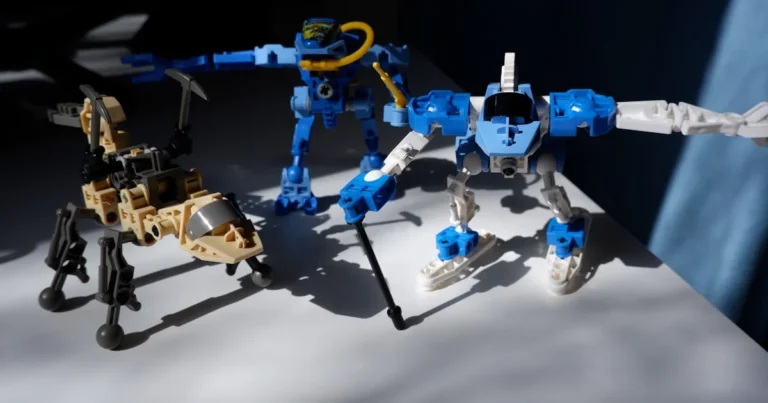
- LEGO Technic: You can learn the basics of gearing and structural integrity using LEGO Technic sets. There are even “Lego Combat” leagues!
- Antweights (150g): Use 3D printed frames and small brushless motors. Check out FingerTech Robotics for starter kits.
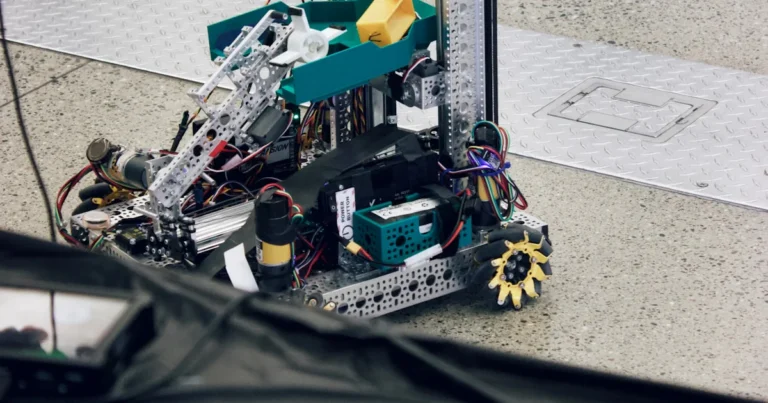
- VEX Robotics: Many schools use VEX Robotics to teach the engineering principles behind these designs.
Expert Tip: Don’t build a spinner for your first bot. Build a Lifter or a Wedge. You’ll spend more time driving and less time sweeping up your own parts! 🛠️
🏁 Conclusion

So, what is the “best” design? If you want to win in the current climate, a Vertical Spinner with a low-profile wedge is your best bet. But if you want to be a fan favorite, nothing beats the raw destructive power of a Horizontal Spinner or the majestic arc of a Flipper.
The “effectiveness” of a design isn’t just in the CAD drawings; it’s in the hands of the driver. We’ve seen “inferior” designs win championships simply because the driver was a surgeon with the sticks.
Are you ready to enter the box? Or are you content watching the sparks from the safety of your couch? Either way, the world of robot wrestling is the most exciting engineering challenge on the planet! 🤖💥
🔗 Recommended Links
- BattleBots Official Site – The pinnacle of the sport.
- SPARC.tools – The gold standard for robot combat rules and safety.
- RioBotz Comat Tutorial – The “Bible” of robot building (Free PDF!).
- FingerTech Robotics – Best place for small-scale parts.
❓ FAQ: Everything You Need to Know About Robot Design

Q: Why don’t all robots just have giant magnets to stick to the floor? A: Some do! It’s called “Downforce.” However, many arena floors are made of non-magnetic high-grade steel or are uneven, making magnets unreliable. Plus, if you stick too well, you can’t move!
Q: Can I use a flamethrower? A: Yes, in many leagues (like BattleBots), flamethrowers are legal! They are mostly for show, but they can melt sensitive sensor wires or overheat an opponent’s electronics if held in place long enough. 🔥
Q: What is the most expensive part of a combat robot? A: Usually the speed controllers (ESCs) and the custom machining. A single high-end ESC can cost hundreds, and a heavyweight bot might need four or five of them.
Q: How fast do the weapons spin? A: Most leagues have a “Tip Speed Limit” of 250 mph for safety reasons. If they went any faster, the weapon might shatter into shrapnel that could penetrate the arena lexan! 🛡️
📚 Reference Links
- The Physics of Combat Robotics – University Research
- SolidWorks for Robot Design
- History of Robot Wars – Official Archive
- MaxAmps Battery Safety Guide
⚡️ Quick Tips and Facts: The Robot Wrestling Cheat Sheet
Before we dive into the grease and gears, here’s the “too long; didn’t read” version of what makes a robot wrestling champion. If you’re looking to build or just betting on the next BattleBots season, keep these in mind:
- Ground Game is Everything: In the world of robot combat, the bot that gets its wedge lowest to the floor usually wins. It’s called the “Ground Game,” and it’s the difference between being the hammer or the nail. ✅
- Kinetic Energy (KE) is King: Most modern designs focus on storing massive amounts of energy in a spinning weapon. When that weapon hits, that energy has to go somewhere—usually into the opponent’s internal electronics. 💥
- Reliability > Flashiness: You can have a 500mph spinning blade, but if your wires shake loose after one hit, you’re just a very expensive paperweight. ❌
- The “Meta” Shifts: Just like in video games, certain designs become popular until someone figures out a “counter-build.” Currently, vertical spinners are the “Meta.”
- Weight Classes Matter: Designs that work for a 150g “Antweight” might fail miserably for a 250lb “Heavyweight” due to the square-cube law.
📜 From Scrap Metal to Superstars: The Evolution of Combat Robot Designs
We’ve been following this sport since the early days of the San Francisco underground scene and the original UK Robot Wars. Back then, a “high-tech” robot was basically a lawnmower motor strapped to a plywood box with some bent aluminum for “armor.”
The history of robot wrestling is a story of an arms race. In the 90s, wedges ruled because nobody could stay mobile after a good shove. Then came the horizontal spinners like Hazard and Mauler, which forced everyone to start using steel instead of plastic.
Today, we are in the era of optimized CAD design and brushless motor technology. We’ve moved from “let’s see if this stays together” to “we’ve simulated this impact 1,000 times in SolidWorks.” The designs we see today are the result of decades of trial, error, and a whole lot of spectacular explosions. 🤖🔥
🏗️ The Anatomy of a Champion: Why Certain Designs Dominate the Box
Why do some robots look like sleek sports cars while others look like angry refrigerators? It all comes down to physics and points. In most competitions, judges score based on Damage, Aggression, and Control.
A design is “effective” if it can maximize one of these while not completely ignoring the others. For example, a “Glass Cannon” (all weapon, no armor) might get a quick KO, but it won’t survive a tournament. We look for the “Golden Ratio” of drive power, weapon reach, and defensive durability.
1. The Vertical Spinner: The Undisputed King of the Meta
If you watch BattleBots on Discovery, you’ll notice a lot of robots look like Bite Force or End Game. These are Vertical Spinners.
- Why it’s effective: Physics! When a vertical blade hits an opponent, it flings them upward. Because the spinner is pushing down into the floor at the same time, the floor acts as a brace, allowing for a massive transfer of energy without the attacking robot flying backward.
- The Secret Sauce: They often use “feeder wedges” or “forks” to get under the opponent and feed them into the spinning disc.
- Real-World Example: Bite Force (Multiple-time Champion).
2. Horizontal Spinners: The High-Energy Ring-Out Kings
Think of a helicopter blade made of hardened steel spinning at 200mph. That’s a horizontal spinner.
- Why it’s effective: They have a massive “reach.” They can hit an opponent before the opponent’s body even touches them. They are designed to “disassemble” the other robot by shearing off wheels and armor plates.
- The Downside: Every action has an equal and opposite reaction. When a horizontal spinner hits, it often flies across the arena just as fast as its opponent.
- Real-World Example: Tombstone (The King of Kinetic Energy).
3. Flippers: Sending Opponents into Orbit
Flippers use high-pressure CO2 or nitrogen (pneumatics) to launch opponents into the air.
- Why it’s effective: It’s the ultimate “Control” and “Aggression” play. If you can flip a robot onto its back, and it can’t “self-right,” the fight is over. Plus, the floor is the only opponent that never loses; the impact of landing from 6 feet up can shatter internal components.
- Real-World Example: Hydra (Hydraulic) or Bronco (Pneumatic).
4. Wedges and Bricks: The Unstoppable Force of Pure Defense
Sometimes the best offense is a great defense. A “Wedge” is a robot with no active weapon, just a very heavy, very sloped piece of armor.
- Why it’s effective: They are incredibly durable. By being a “brick,” they can tank hits from spinners until the spinner’s motor burns out or the weapon breaks. They win by pushing the opponent into arena hazards.
- Note: Many modern competitions require an “active weapon,” so pure wedges are becoming rarer in the heavyweight classes but still dominate in smaller weight classes.
- Real-World Example: Original Sin (RoboGames Legend).
5. Lifters and Grabbers: Master Class in Control and Aggression
These bots use electric actuators or high-torque motors to lift an opponent or grab them and carry them around.
- Why it’s effective: It completely neutralizes the opponent’s weapon. If you are holding a spinner in the air, its wheels aren’t touching the ground, and its weapon is hitting nothing but air.
- Real-World Example: Whiplash (A masterclass in driving and lifting).
6. Crushers: The Terrifying Power of Hydraulic Pressure
Crushers use hydraulic rams to exert thousands of pounds of pressure onto a single point (usually a “beak”).
- Why it’s effective: It doesn’t just damage armor; it pierces it. A good crusher can go straight through a battery pack or a logic board, ending the fight instantly with a “surgical strike.”
- Real-World Example: Razer (Robot Wars icon) or Quantum.
7. Full-Body Spinners: Maximum Kinetic Energy Chaos
In this design, the entire outer shell of the robot spins.
- Why it’s effective: There is no “weak side.” No matter where you hit them, you’re hitting the weapon. They store the most kinetic energy of any design.
- The Challenge: They are notoriously difficult to drive because the centrifugal force messes with the traction.
- Real-World Example: Gigabyte or Captain Shredderator.
8. Hammers and Axes: Delivering the Overhead Smash
These robots use a top-down swinging motion to strike the thinnest part of an opponent’s armor: the top.
- Why it’s effective: Most robots put 90% of their armor on the front and sides. The top is usually thin Lexan or light aluminum. A hardened steel axe can go right through.
- Real-World Example: Shatter! (Uses Mecanum wheels for insane mobility).
9. Drum Spinners: Compact, Durable, and Deadly
A drum spinner is like a vertical spinner, but instead of a thin disc, it’s a wide, heavy cylinder.
- Why it’s effective: Drums are much harder to “snap” than discs. They have a wider hitting area, making it easier to catch a corner of an opponent.
- Real-World Example: Minotaur (The “Scream” of that drum is terrifying).
10. Saw Bots: Precision Cutting and Tactical Damage
These bots use high-speed diamond or carbide-tipped saws to cut through armor.
- Why it’s effective: While they don’t have the “knockout” power of a spinner, they are excellent for scoring points and disabling specific components like drive chains or wires.
- Real-World Example: SawBlaze (Combines a reach-arm with a high-speed saw/disc).
11. Multibots: The Power of the Swarm Strategy
Why bring one 250lb robot when you can bring two 125lb robots or three 80lb robots?
- Why it’s effective: It creates a “distraction.” While the big spinner is busy hitting one bot, the other bot can get behind it and high-center it or tangle its weapon.
- Real-World Example: The Four Horsemen.
12. Walkers: Trading Speed for Massive Weight Advantages
In many sets of rules, “Walking” robots (those that don’t use wheels for locomotion) get a weight bonus (sometimes 2x the limit!).
- Why it’s effective: A 500lb robot fighting 250lb robots is a massive advantage. They can have armor that is twice as thick and weapons that are twice as powerful.
- The Trade-off: They are slow. Like, “glacier” slow.
- Real-World Example: Son of Whyachi (Original walker version).
🛠️ Essential Components: What Makes These Designs Tick?
You can’t just slap a motor on a frame and call it a day. We recommend looking at high-quality components if you want to survive more than ten seconds.
| Component | Recommended Brand/Type | Why We Love It |
|---|---|---|
| Motors | MaxCIM Brushless | Incredible power-to-weight ratio. |
| Speed Controllers | Castle Creations Mamba Monster | Can handle the massive current spikes of a weapon motor. |
| Batteries | MaxAmps LiPo Packs | High “C” ratings mean they won’t sag under load. |
| Radio Gear | Spektrum RC Systems | Frequency hopping prevents interference in the “Box.” |
🛡️ Armor Wars: AR500 vs. Titanium vs. UHMW
Choosing your armor is a balancing act.
- AR500 Steel: The same stuff used in shooting targets. It’s incredibly hard but heavy. Best for “wedges.” ✅
- Grade 5 Titanium: Great strength-to-weight ratio. It “sparks” beautifully (judges love that!) and is springy, meaning it absorbs impacts. ✅
- UHMW Plastic: (Ultra-High-Molecular-Weight Polyethylene). It’s “slippery” and absorbs shock. Great for internal mounts or outer “ablative” armor. ✅
- Aluminum 6061: ❌ Avoid using this for primary armor; it tends to “tear” rather than bend or bounce.
🧱 Building Your Own: From LEGO Combat to Heavyweight Glory
You don’t need $50,000 to start. In fact, we recommend starting small!
- LEGO Technic: You can learn the basics of gearing and structural integrity using LEGO Technic sets. There are even “Lego Combat” leagues!
- Antweights (150g): Use 3D printed frames and small brushless motors. Check out FingerTech Robotics for starter kits.
- VEX Robotics: Many schools use VEX Robotics to teach the engineering principles behind these designs.
Expert Tip: Don’t build a spinner for your first bot. Build a Lifter or a Wedge. You’ll spend more time driving and less time sweeping up your own parts! 🛠️
🏁 Conclusion

After tearing through the nuts and bolts of the most popular robot wrestling designs, what’s the final verdict? If you want to dominate the arena, the current meta clearly favors the Vertical Spinner—think Bite Force or End Game. Their ability to harness kinetic energy while maintaining control and stability makes them the reigning champions in the Robot Wrestling League. However, don’t discount the raw destructive power of Horizontal Spinners like Tombstone or the strategic flair of Flippers such as Bronco. Each design brings a unique flavor to the chaos, and the best robot is often the one whose driver can exploit its strengths while minimizing weaknesses.
From our perspective at Robot Wrestling™, the key to success is balance—between weapon power, armor durability, and driver skill. A flashy weapon won’t save you if your bot can’t survive the first hit, and a tanky wedge won’t win if it can’t score damage or control the fight. Remember what we said earlier: reliability beats flashiness every time.
If you’re building your first bot, start simple. Wedges and lifters teach you the fundamentals of control and driving, while spinners demand precision engineering and risk management. And if you’re itching to build but strapped for cash, LEGO Technic and FingerTech kits are fantastic entry points.
So, are you ready to step into the box and make sparks fly? Or will you watch from the sidelines, marveling at the engineering marvels that are the gladiators of the Robot Wrestling League? Either way, the world of robot wrestling is an electrifying blend of science, strategy, and spectacle. Let’s get building! 🤖🔥
🔗 Recommended Links
Ready to start building or upgrading your robot? Check out these trusted products and resources:
-
MaxCIM Brushless Motors:
Amazon Search: MaxCIM Brushless Motors | MaxAmps Official Website -
Castle Creations Mamba Monster ESC:
Amazon Search: Castle Creations Mamba Monster | Castle Creations Official -
MaxAmps LiPo Battery Packs:
Amazon Search: MaxAmps LiPo Battery | MaxAmps Official Website -
Spektrum RC Radio Systems:
Amazon Search: Spektrum RC Radio | Spektrum Official -
LEGO Technic Heavy-Duty Excavator (Great for learning mechanics):
Amazon: LEGO Technic Heavy-Duty Excavator -
FingerTech Robotics Starter Kits:
FingerTech Robotics Official -
Recommended Reading:
Robot Builder’s Bonanza by Gordon McComb — A classic guide to combat robot building.
Amazon: Robot Builder’s Bonanza
❓ FAQ: Everything You Need to Know About Robot Design

What features make a robot design successful in robot wrestling competitions?
A successful robot design balances weapon effectiveness, durability, and mobility. Key features include:
- Low center of gravity: Enhances stability and reduces tipping risk.
- Powerful, reliable weaponry: Whether it’s a spinner, flipper, or crusher, the weapon must deliver consistent damage.
- Durable armor: Materials like AR500 steel or Grade 5 titanium protect vital components.
- Efficient drivetrain: High torque motors and quality ESCs ensure quick, precise movement.
- Driver control: Even the best design fails without skilled piloting.
This balance is why vertical spinners dominate—they combine aggressive damage with excellent control and survivability.
How do popular robot wrestling designs balance offense and defense?
Popular designs tend to specialize but maintain some balance:
- Vertical spinners use wedges to get under opponents (defense) while delivering powerful hits (offense).
- Wedges and bricks focus on defense, pushing opponents into hazards, but often lack offensive weapons.
- Flippers excel at control (offense) by flipping opponents, which also serves as a defensive tactic by disabling the opponent’s mobility.
- Crushers focus on offense but require strong armor to survive counterattacks.
The best bots integrate weapon placement and armor to protect vulnerable areas while maximizing damage output.
What materials are commonly used in building competitive robot wrestlers?
Materials must balance strength, weight, and shock absorption:
| Material | Use Case | Pros | Cons |
|---|---|---|---|
| AR500 Steel | Wedges, armor plates | Extremely hard and durable | Heavy, can add weight quickly |
| Grade 5 Titanium | Armor, weapon parts | High strength-to-weight ratio, resilient | Expensive, harder to machine |
| UHMW Plastic | Shock mounts, outer armor | Absorbs impact, lightweight | Less durable against sharp weapons |
| Aluminum 6061 | Frame components | Lightweight, easy to machine | Not ideal for armor, tears under stress |
Choosing the right combination is crucial for both protection and mobility.
Why are certain robot shapes more effective in robot battles?
Shape affects stability, weapon effectiveness, and control:
- Low-profile wedges get under opponents easily, controlling the fight.
- Vertical spinners benefit from a narrow profile to maximize impact force and reduce self-damage.
- Full-body spinners use a circular shape to maximize kinetic energy but sacrifice traction.
- Flippers and crushers often have compact, sturdy shapes to withstand counterattacks.
The shape also influences how well a robot can self-right after being flipped, a critical factor in matches.
How does the Robot Wrestling League judge the effectiveness of robot designs?
Judges score based on three main criteria:
- Damage: How much visible damage the robot inflicts on its opponent.
- Aggression: How actively the robot pursues and attacks its opponent.
- Control: How well the robot dictates the flow of the match, including pushing opponents into hazards or controlling positioning.
A design that excels in all three tends to dominate, but sometimes a bot with less damage can win by controlling the fight effectively.
What role does weight distribution play in robot wrestling performance?
Weight distribution affects stability, traction, and weapon efficiency:
- A low center of gravity prevents tipping and improves traction.
- Concentrating weight near the weapon can increase impact force but may reduce maneuverability.
- Balanced weight across the chassis improves driving control and helps absorb impacts evenly.
Experienced builders use CAD software to simulate weight distribution before finalizing designs.
Which robot designs have won the most championships in the Robot Wrestling League?
Historically, vertical spinners and horizontal spinners have dominated championships:
- Bite Force (Vertical Spinner) — Multiple-time BattleBots champion.
- Tombstone (Horizontal Spinner) — Legendary for destructive power.
- Whiplash (Lifter/Grabber) — Known for control and aggression.
- Razer (Crusher) — Iconic for hydraulic crushing power.
These designs combine proven weapon effectiveness with durable construction and skilled driving.
📚 Reference Links
- BattleBots Official Site — The pinnacle of robot combat.
- SPARC.tools — Official robot combat rules and safety standards.
- RioBotz Combat Tutorial — Comprehensive robot building guide.
- MaxAmps Battery Safety Guide — Essential for battery handling.
- Robot Wars Archive — History and highlights of the UK classic.
- MaxAmps Official Website — High-performance batteries and motors.
- Castle Creations Official — Premium ESCs for combat robotics.
- Spektrum RC Systems — Reliable radio gear for robot control.
- FingerTech Robotics — Starter kits and parts for small-scale combat robots.
- Facebook Discussion on Robot Design — What is a good design for a collapsible combat robot arena?
Ready to dive deeper? Check out our Robot Design category and Famous Matches for more expert insights and thrilling battles!