Support our educational content for free when you buy through links on our site. Learn more
The Electrifying History & Evolution of Robot Wrestling 🤖 (2026)

Step into the arena where metal titans clash, sparks fly, and human ingenuity meets mechanical mayhem! Robot wrestling isn’t just a futuristic fantasy—it’s a thrilling sport with roots stretching back decades, evolving from humble garage projects to global televised spectacles like BattleBots and Robot Wars. But how did this electrifying sport come to be? What inspired engineers and hobbyists to pit their creations against one another in battles of strength, strategy, and sheer destruction?
In this article, we unravel the captivating history and evolution of robot wrestling as a sport. From its ancient inspirations in Japanese sumo to the rise of autonomous AI contenders, we explore every twist and turn in the saga of mechanical gladiators. Curious about how different robot types emerged, or what it takes to build a champion bot? We’ve got you covered with insider insights, engineering breakdowns, and a glimpse into the future of robot combat. Ready to discover the story behind the steel? Let’s dive in!
Key Takeaways
- Robot wrestling evolved from ancient traditions and hobbyist tinkering into a global competitive sport.
- Major televised leagues like BattleBots and Robot Wars transformed the sport into a mainstream spectacle.
- Diverse combat categories exist, from non-destructive robot sumo to full-on destructive heavyweight battles.
- Engineering mastery—covering control systems, powertrains, armor, and weapons—is crucial for success.
- The future promises AI-driven autonomous combat, advanced materials, and immersive VR experiences.
- Getting started is accessible with affordable tools, community support, and step-by-step learning resources.
Ready to build your own mechanical gladiator or just fascinated by the sport’s evolution? Keep reading for a deep dive into every spark, smash, and strategy that shaped robot wrestling!
Table of Contents
- ⚡️ Quick Tips and Facts
- 🤖 The Genesis of Steel Gladiators: A Deep Dive into Robot Wrestling’s Origins
- 📈 The Evolution of Robot Combat: From Sumo to BattleBots
- 🥊 Different Arenas, Different Rules: A Guide to Robot Combat Categories
- 🛠️ The Nuts and Bolts of Battle: Engineering a Champion Robot Wrestler
- 🌟 Robot Wrestling Today: A Thriving Global Phenomenon
- 👷 ♂️ From Blueprint to Battle-Ready: Your Journey into Robot Building
- 🚀 The Future is Now: What’s Next for Robot Combat Sports?
- ✨ Conclusion: The Enduring Appeal of Mechanical Mayhem
- 🔗 Recommended Links: Dive Deeper into the Robot Combat Universe
- ❓ FAQ: Your Burning Questions About Robot Wrestling Answered
- 📚 Reference Links: Our Sources and Further Reading
⚡️ Quick Tips and Facts
Welcome, fellow gearheads and battle bot fanatics! We’re your expert team from Robot Wrestling™, and we’re about to take you on an exhilarating journey through the history and evolution of robot wrestling. Forget what you think you know about robots; this isn’t just about nuts and bolts—it’s about passion, innovation, and pure, unadulterated mechanical mayhem! Ready for some quick hits before we dive deep? Let’s go! 🚀
- Ancient Roots, Modern Bots: Believe it or not, the concept of robot combat draws inspiration from ancient traditions like Japanese sumo wrestling, which dates back to 712 AD! (Source: Wikipedia Sumo)
- Not Just Destruction: While sparks fly and armor crumbles, robot wrestling is fundamentally about engineering, strategy, and innovation. It’s a high-stakes chess match played with steel and circuits.
- Global Phenomenon: From humble garage builds in the 1990s, robot combat has exploded into a global sport with televised leagues like BattleBots and Robot Wars, captivating millions.
- More Than Just Spinners: While spinner bots are iconic, the sport features a dazzling array of robot types, including flippers, pushers, hammers, and even flamethrowers! Want to know more about the different types of mechanical gladiators? Check out our deep dive into 15 Types of Robots Used in Pro Robot Wrestling (2026).
- Safety First (Mostly): Despite the destructive nature, modern robot combat leagues prioritize safety protocols for competitors and spectators, ensuring the only things getting obliterated are the robots themselves. ✅
- DIY Dream: Many of today’s champion builders started in their garages or school clubs. The barrier to entry for hobby robotics is lower than you might think!
🤖 The Genesis of Steel Gladiators: A Deep Dive into Robot Wrestling’s Origins
Have you ever wondered where the idea of two metal titans clashing in an arena came from? Was it a mad scientist’s fever dream, or perhaps a bored engineer’s weekend project gone wild? At Robot Wrestling™, we’ve seen it all, from the earliest sparks of an idea to the roaring crowds of today’s major tournaments. The journey of robot wrestling is a fascinating blend of human ingenuity, competitive spirit, and a dash of pure, unadulterated spectacle.
🕰️ From Industrial Arms to Arena Brawlers: Early Inspirations
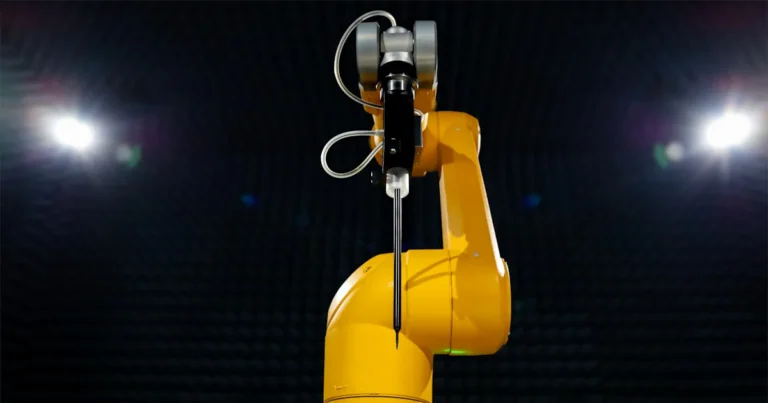
Before robots were smashing each other to bits, they were busy doing our dirty work. The earliest robots were industrial arms, designed for repetitive tasks in factories, welding car parts, or assembling electronics. Think about the precision and power required for those tasks – it wasn’t a huge leap for engineers to start imagining these powerful machines in a competitive setting. We’re talking about the 1950s and 60s, when the concept of automation was truly taking hold.
But the seed of robot combat wasn’t just planted in factories; it was also nurtured by the fertile ground of science fiction. Movies like Robot Jox (1990) and even earlier stories featuring mechanical men battling it out captured the public’s imagination. Who among us didn’t dream of piloting a giant mech? This cultural fascination with powerful, autonomous (or semi-autonomous) machines laid the psychological groundwork for what was to come. It was a classic “what if?” scenario that eventually found its way into reality.
🎮 The Rise of Hobby Robotics: Garage Bots and Early Competitions
The real magic began not in corporate labs, but in garages, basements, and university workshops. As electronics became more accessible and affordable in the 1980s and 90s, hobbyists started tinkering. Microcontrollers like the BASIC Stamp and later Arduino opened up a world of possibilities for amateur builders. Suddenly, building a robot wasn’t just for PhDs; it was for anyone with a soldering iron and a dream.
These early “garage bots” were often simple, but their creators were driven by an insatiable desire to see their creations do something. And what’s more exciting than making them compete? Early robot combat competitions were informal affairs, often held at science fairs or engineering conventions. We remember one of our founders, a young engineer named Alex, recounting his first robot sumo match in a college gym. “My bot, ‘The Piston Pusher,’ was basically a brick with wheels and a powerful motor,” he chuckled. “It barely moved, but when it pushed that other bot out of the ring, the roar from the small crowd felt like a stadium!” These humble beginnings were crucial, fostering a community of builders and igniting the competitive spark.
📺 Media’s Influence: How Pop Culture Fueled the Robot Rumble
While the hobbyist scene was buzzing, it was television that truly catapulted robot combat into the mainstream. The late 1990s saw the emergence of two groundbreaking shows: Robot Wars in the UK and BattleBots in the US. These programs took the raw, unpolished energy of garage combat and polished it into a dazzling spectacle for millions.
As the first YouTube video embedded above perfectly articulates, “in a world where metal clashes, sparks fly, and robots reign supreme,” these shows brought the concept of mechanical gladiators into living rooms across America and beyond. The video highlights how “the concept was simple yet exhilarating: builders from all walks of life would design and construct their own deadly robots to compete in epic arena battles.” This wasn’t just about engineering anymore; it was about storytelling, rivalries, and the sheer thrill of destruction. The dramatic camera angles, the charismatic commentators, and the sheer ingenuity of the robot designs created an irresistible cocktail of entertainment. It transformed a niche hobby into a cultural phenomenon, proving that “These mechanical warriors, with their powerful weapons, impenetrable armor, and unmatched agility, have become symbols of human ingenuity, determination, and the unquenchable thirst for competition.” (Source: #featured-video)
📈 The Evolution of Robot Combat: From Sumo to BattleBots
The journey from rudimentary pushing matches to the high-octane destruction we see today is a testament to human and mechanical evolution. It’s a story of innovation, adaptation, and a relentless pursuit of competitive advantage.
🇯🇵 Robot Sumo: The Ancient Art, Mechanized
Before the flippers and the spinners, there was Robot Sumo. This discipline, originating in Japan, is a direct mechanical descendant of the ancient Japanese sport of sumo wrestling. As Wikipedia notes, “Sumo is considered a Gendai budō, a modern Japanese martial art with centuries-old traditions,” and it “Inspired the development of robot-sumo competitions, a form of robot wrestling.” (Source: Wikipedia Sumo)
The rules are elegantly simple: two robots enter a circular ring (a dohyō), and the goal is to push, flip, or otherwise force your opponent out of the ring. No destructive weapons allowed! This focus on pushing power, traction, and strategic maneuvering makes Robot Sumo a pure test of engineering and programming prowess. Early robot sumo competitions, like those organized by the All Japan Robot-Sumo Tournament, were instrumental in establishing standardized rules and fostering a global community of builders. We’ve seen countless engineers cut their teeth in robot sumo, learning the fundamentals of drivetrain design, sensor integration, and autonomous control. It’s a fantastic entry point into the world of robot combat, emphasizing finesse over brute force.
💥 The Dawn of Destructive Combat: Robot Wars and BattleBots
While robot sumo was thriving, a new, more aggressive form of robot combat was brewing in the West. The late 1990s saw the birth of Robot Wars in the UK and BattleBots in the US, which fundamentally changed the game. As our friends in the WLAG Community Facebook group recall, these were the “Early robot combat competitions in the 1990s, such as Robot Wars and BattleBots,” which quickly became household names. (Source: WLAG Community Facebook Group)
These shows introduced a new level of spectacle: destruction. Suddenly, robots weren’t just pushing; they were flipping, smashing, grinding, and even setting each other on fire! This shift demanded entirely new engineering approaches. Armor became paramount, weapons grew more sophisticated, and the strategic landscape broadened dramatically.
- BattleBots, in particular, became a “popular televised robot combat competition with custom-built robots,” showcasing incredible engineering talent and dramatic battles. (Source: WLAG Community Facebook Group)
- Robot Wars similarly “popularized robot combat” across the pond, inspiring a generation of engineers and fans. (Source: WLAG Community Facebook Group)
The transition from pushing to outright annihilation was a game-changer, attracting a wider audience and pushing the boundaries of what was mechanically possible. It also led to the development of diverse robot types, from the terrifying spinner bots to the strategic flipper bots and the relentless pusher bots.
🌐 Global Expansion: Robot Wrestling Leagues Around the World
The success of BattleBots and Robot Wars sparked a global phenomenon. Leagues and competitions began popping up everywhere, from Japan’s Robo-One (focusing on humanoid robots) to smaller, regional events in Europe, Asia, and South America. This global expansion meant a diversification of styles, rulesets, and robot designs.
We’ve seen incredible innovation emerge from different parts of the world. Japanese builders often excel in intricate, precise designs, while American teams might lean towards raw power and destructive weaponry. European teams often blend technical elegance with robust construction. This international exchange of ideas and competitive spirit has only enriched the sport, proving that the love for mechanical combat knows no borders. The global community is vibrant, with online forums and social media groups connecting builders and fans from every corner of the globe, sharing tips, tricks, and battle stories. It’s truly a testament to the universal appeal of watching robots duke it out!
🥊 Different Arenas, Different Rules: A Guide to Robot Combat Categories
If you think all robot wrestling is just BattleBots, you’re missing out on a whole universe of mechanical combat! Just like human wrestling has its Greco-Roman, freestyle, and professional entertainment variants, robot combat boasts a diverse array of categories, each with its own unique rules, challenges, and robot designs. At Robot Wrestling™, we appreciate the nuance in every spark and every push. Let’s break down the main types of robot combat you’ll encounter.
1. ⚖️ Robot Sumo: Push, Don’t Destroy
Robot Sumo is where many aspiring robot builders begin their journey, and it’s a fantastic test of fundamental robotics principles. Inspired by the ancient Japanese sport, the objective is simple: force your opponent out of a circular ring (the dohyō) without using destructive weapons.
- The Goal: Push the other robot out of the ring. No flipping, no spinning blades, no hammers.
- Robot Design Philosophy: Emphasizes traction, low center of gravity, powerful drivetrains, and intelligent autonomous control. Bots are often wedge-shaped to get under opponents.
- Key Components:
- High-torque motors: Essential for pushing power.
- Grippy wheels/treads: To maximize friction on the dohyō.
- Infrared (IR) sensors: To detect the edge of the ring and the opponent.
- Microcontrollers: Like Arduino Uno or ESP32, for programming autonomous strategies.
- Weight Classes: Robot Sumo comes in various sizes, from the classic 3kg (6.6 lbs) class to Mini-Sumo (500g) and even Micro-Sumo (100g), making it accessible for different skill levels and budgets.
- Why We Love It: It’s a pure engineering challenge. Success hinges on clever design and sophisticated programming, not just raw power. It’s a fantastic entry point into Competitions for new builders.
👉 CHECK PRICE on:
- Arduino Uno: Amazon | SparkFun | Arduino Official
- Pololu Motors: Amazon | Pololu Official
2. ⚔️ BattleBots & Robot Wars: The Art of Annihilation
This is the category that most people think of when they hear “robot wrestling.” These are the gladiatorial arenas where destruction is not just allowed, it’s encouraged! BattleBots (US) and Robot Wars (UK) are the titans of this genre, featuring heavily armored robots with devastating active weapons.
- The Goal: Incapacitate your opponent through damage, disablement, or knockout.
- Robot Design Philosophy: A delicate balance of offense, defense, and durability. Bots are designed to deliver maximum damage while withstanding brutal attacks.
- Key Weapon Types:
- Vertical Spinners: Think Tombstone or SawBlaze. These robots use a rapidly spinning blade or disc mounted vertically to rip into opponents.
- Horizontal Spinners: Like Minotaur or Witch Doctor. A horizontal bar or disc that delivers massive kinetic energy on impact.
- Flippers: Bots like Hydra or Bronco use powerful pneumatic or hydraulic systems to launch opponents high into the air.
- Hammers/Axes: Beta or Slammow deliver crushing blows from above.
- Lifters/Wedges: Designed to get underneath opponents and control them, often pushing them into arena hazards.
- Weight Classes: The most popular class is the Heavyweight (250 lbs / 113 kg), but smaller classes like Featherweight (30 lbs) and Lightweight (60 lbs) also exist, offering different strategic challenges.
- Why We Love It: The sheer spectacle! The engineering is mind-boggling, the strategies are complex, and the outcomes are always unpredictable. It’s where the most famous Famous Matches are made.
👉 Shop BattleBots-style components on:
- Brushless Motors: Amazon | Robot MarketPlace
- LiPo Batteries: Amazon | HobbyKing
3. 🥋 Humanoid Robot Fighting: The Bipedal Brawlers
Step aside, wheeled warriors! Humanoid robot fighting brings a different kind of challenge: bipedal locomotion and martial arts-inspired combat. These robots walk, punch, kick, and grapple, mimicking human fighters.
- The Goal: Knock down your opponent, often with a focus on specific strike zones or maintaining balance.
- Robot Design Philosophy: Focuses on stability, articulation, servo control, and complex programming for movement and attack sequences.
- Key Components:
- High-torque servos: Crucial for precise and powerful joint movements.
- Gyroscopes/Accelerometers: For balance and orientation.
- Advanced microcontrollers/SBCs: Like Raspberry Pi or custom boards for complex gait and combat algorithms.
- Durable chassis materials: Often lightweight plastics or aluminum.
- Notable Competitions: Robo-One in Japan is the premier humanoid robot fighting league, showcasing incredible agility and programmed combat routines.
- Why We Love It: It’s fascinating to watch robots mimic human movement and fighting styles. It pushes the boundaries of robotics in terms of balance and dynamic control, offering a glimpse into the future of autonomous humanoid interaction.
👉 Shop Humanoid Robot Kits on:
- Robotis Bioloid Kits: Amazon | Robotis Official
- Servos for Robotics: Amazon | Adafruit
4. 🤼 ♂️ Mini-Sumo & Antweight Arenas: Small Bots, Big Fights
Not every robot needs to be a 250-pound behemoth. The world of Mini-Sumo (typically 500g / 1.1 lbs) and Antweight (1 lb / 454g) combat offers incredibly intense battles in a compact, accessible format. These smaller classes are often the gateway for new builders and students.
- The Goal: Varies by category – Mini-Sumo is about pushing, while Antweight combat often allows destructive weapons scaled down.
- Robot Design Philosophy: Ingenuity in miniaturization! Builders must pack maximum power and durability into tiny packages.
- Key Components:
- Micro metal gearmotors: Small, powerful motors.
- Tiny LiPo batteries: High energy density in a small form factor.
- Custom PCBs: To save space and weight.
- Lightweight, strong materials: Carbon fiber, titanium, or even 3D-printed parts.
- Why We Love It: The accessibility! These classes are much more affordable to build and maintain, making them perfect for students and hobbyists. The fights are surprisingly fierce and strategic, proving that size isn’t everything. It’s a great way to get into Robot Design without breaking the bank.
👉 Shop Mini-Sumo/Antweight Components on:
- Micro Metal Gearmotors: Amazon | Pololu Official
- Tiny LiPo Batteries: Amazon | Adafruit
5. 🏗️ Custom Builds & Experimental Leagues: Pushing the Boundaries
Beyond the established categories, there’s a vibrant world of experimental robot combat. These leagues and one-off events often explore new technologies, unconventional designs, or unique rule sets.
- The Goal: Often to test new concepts, showcase innovative engineering, or simply have fun with less restrictive rules.
- Robot Design Philosophy: “Anything goes” (within safety limits). This is where you see truly bizarre and brilliant creations.
- Examples:
- Drone Combat: Flying robots battling in a 3D arena.
- Swarm Robotics: Multiple small robots working together against a single larger opponent.
- Art Bots: Robots designed for aesthetic appeal as much as combat prowess.
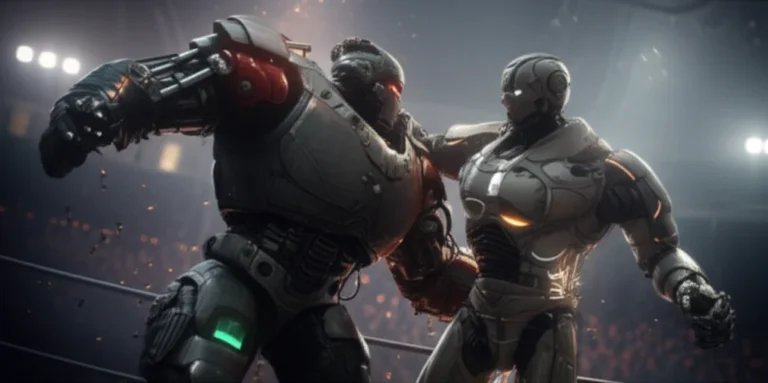
- Human-Piloted Mechs: Think Real Steel brought to life, with human operators inside large robotic suits.
- Why We Love It: This is where the future of robot combat is being forged. It’s a playground for innovation, pushing the boundaries of what’s possible and inspiring the next generation of robot designers and engineers. We often feature these cutting-edge concepts in our Opinion Pieces.
🛠️ The Nuts and Bolts of Battle: Engineering a Champion Robot Wrestler
Building a robot that can withstand the brutal punishment of the arena and dish out some serious damage itself is no small feat. It’s a complex dance of physics, electronics, materials science, and clever design. As the WLAG Community Facebook group aptly states, “Robot wrestling is not just about destruction; it’s about engineering, strategy, and innovation.” (Source: WLAG Community Facebook Group) Our team at Robot Wrestling™ has spent countless hours in the workshop, covered in grease and metal shavings, perfecting these mechanical gladiators. Let’s pull back the curtain and look at what goes into making a champion.
🧠 Brains of the Brawler: Control Systems and AI
Every robot needs a brain, whether it’s a human operator’s quick reflexes or a sophisticated autonomous program.
- Remote Control (RC): The most common method for destructive combat robots like BattleBots.
- Components: A radio transmitter (the controller in the driver’s hand) and a receiver inside the robot.
- Technology: Typically uses 2.4 GHz radio frequencies for reliable communication. High-end systems from brands like Futaba or Spektrum offer multiple channels for controlling drive, weapons, and other functions.
- Benefits: Allows for real-time adaptation to opponent’s movements and unexpected events. Human intuition is still unmatched in dynamic combat.
- Drawbacks: Requires a skilled driver with lightning-fast reflexes. Signal interference can be a nightmare.
- Autonomous Control: Predominantly used in Robot Sumo, where robots must react to their environment without human intervention.
- Components: Microcontrollers (e.g., Arduino Mega, Teensy), sensors (infrared, ultrasonic, encoders), and complex programming.
- AI (Artificial Intelligence): While not true AI in the human sense, these programs use algorithms to interpret sensor data and execute pre-programmed strategies (e.g., “if opponent detected, drive forward; if ring edge detected, turn”).
- Benefits: Can react faster than a human in predictable environments; demonstrates pure programming skill.
- Drawbacks: Limited by pre-programmed logic; struggles with novel situations or highly unpredictable opponents.
Expert Tip: For aspiring builders, starting with an Arduino and a basic RC kit is a fantastic way to learn the fundamentals of control systems. You can find excellent starter kits on Amazon that include everything you need to get a simple robot moving.
👉 Shop Robotics Control Components on:
- Futaba RC Systems: Amazon | Futaba Official
- Arduino Starter Kits: Amazon | Arduino Official
💪 Powering the Punch: Motors, Batteries, and Drivetrains
A robot is only as good as its power plant and how it translates that power into movement and attack.
- Motors:
- DC Motors: Simple, reliable, and common for drivetrains. Brushed DC motors are affordable, while brushless DC motors (BLDCs) offer higher efficiency, power, and longevity, often used for weapon systems and high-performance drivetrains.
- Weapon Motors: Often custom-wound BLDCs designed for extreme RPMs and torque, capable of spinning blades at thousands of RPMs.
- Servo Motors: Used in humanoid robots for precise joint articulation and in some combat robots for smaller, controlled movements.
- Batteries: The lifeblood of any robot.
- Lithium Polymer (LiPo): The go-to choice for high-performance robots due to their high energy density and discharge rates. However, they require careful handling and charging.
- Lithium Iron Phosphate (LiFePO4): A safer, more stable alternative to LiPo, though often heavier and with slightly lower energy density.
- Capacity (mAh) and Discharge Rate (C-rating): Crucial specs. A higher C-rating means the battery can deliver more current, essential for powerful motors.
- Drivetrains: How power gets to the wheels (or tracks).
- Wheels: Rubber, foam, or custom-machined aluminum wheels with various tread patterns. The choice depends on traction needs and arena surface.
- Gearboxes: Essential for reducing motor speed and increasing torque. Planetary gearboxes are popular for their compact size and high efficiency.
- Electronic Speed Controllers (ESCs): These are the “throttle” for your motors, converting battery power into controlled motor movement. High-current ESCs from brands like Vex Robotics or Castle Creations are common in heavyweights.
Fact: A typical BattleBot heavyweight might draw hundreds of amps of current during a weapon spin-up or a powerful push, requiring robust batteries and ESCs.
👉 Shop Robot Drivetrain Components on:
- Brushless ESCs: Amazon | Castle Creations Official
- LiPo Battery Chargers: Amazon | Horizon Hobby
🛡️ Armor Up! Materials Science in Robot Combat
What’s the point of a powerful weapon if your robot crumbles at the first hit? Armor is critical, and choosing the right materials is a science in itself.
- AR500 Steel: A favorite for its extreme hardness and abrasion resistance. It’s tough, but heavy. Often used for weapon blades and critical structural components.
- Titanium: Lighter than steel, incredibly strong, and excellent at deflecting impacts. However, it’s expensive and difficult to work with. Often used for internal bracing or critical weapon components.
- Polycarbonate: A clear, tough plastic often used for internal component protection or lighter armor panels. It’s impact-resistant but can deform.
- Aluminum: Lightweight and easy to machine, but less impact-resistant than steel or titanium. Often used for chassis frames in lighter bots or non-critical structural elements.
- UHDPE (Ultra-High Density Polyethylene): A very slick, tough plastic that can be used for wedge armor, allowing opponents to slide off.
- Design Considerations:
- Sloped Armor: Deflects kinetic energy weapons, reducing direct impact.
- Layered Armor: Combining different materials (e.g., steel over polycarbonate) to absorb and dissipate energy.
- Internal Bracing: Reinforcing the internal structure to prevent twisting and bending under stress.
Anecdote: One time, our team at Robot Wrestling™ underestimated the power of a vertical spinner. We thought our new aluminum chassis would hold up. Wrong! It looked like a crumpled soda can after 30 seconds. We learned the hard way that AR500 steel is non-negotiable for primary armor in heavyweights.
🔪 Weapons of Choice: From Flippers to Flamethrowers
This is where the creativity and destructive genius truly shine! The variety of weapons is astounding, each with its own advantages and disadvantages.
- Spinners:
- Vertical Spinners: (e.g., Tombstone, SawBlaze) High kinetic energy, can rip through armor, but vulnerable if the weapon jams or breaks.
- Horizontal Spinners: (e.g., Minotaur, Witch Doctor) Wide area of effect, can throw opponents, but can make the robot unstable due to gyroscopic forces.
- Flippers: (e.g., Hydra, Bronco) Use pneumatic or hydraulic power to launch opponents. Excellent for control and sending bots flying, but can be complex to maintain.
- Hammers/Axes: (e.g., Beta, Slammow) Deliver crushing blows. Effective against top armor, but can be slow to reset.
- Lifters/Wedges: (e.g., Shatter!, Whiplash) Designed to get under opponents, control them, and push them into arena hazards. Often paired with powerful drivetrains.
- Crushers: (e.g., Bite Force) Use powerful jaws to squeeze and crush opponents. Incredibly destructive but often slow and heavy.
- Flamethrowers: (e.g., Mammoth, Black Dragon) More for visual spectacle and psychological impact, but can disable electronics or melt less robust components.
Table: Common Robot Weapon Types & Characteristics
| Weapon Type | Primary Attack Method | Strengths | Weaknesses | Iconic Bots (Examples) |
|---|---|---|---|---|
| Vertical Spinner | High-speed rotating blade/disc (vertical axis) | Extreme kinetic energy, rips armor | Gyroscopic forces, weapon vulnerable to jams | Tombstone, SawBlaze |
| Horizontal Spinner | High-speed rotating bar/disc (horizontal axis) | Wide impact area, throws opponents | Self-righting issues, gyroscopic instability | Minotaur, Witch Doctor |
| Flipper | Pneumatic/hydraulic arm launches opponent | High control, can immobilize, spectacular | Complex system, vulnerable to weapon damage | Hydra, Bronco |
| Hammer/Axe | Powerful striking arm from above | Crushing force, targets top armor | Slow recycle time, vulnerable to being outmaneuvered | Beta, Slammow |
| Lifter/Wedge | Gets underneath, lifts/pushes opponent | Control, pushes into hazards, durable | Lacks direct destructive power | Whiplash, Shatter! |
| Crusher | Powerful jaws/pincers to squeeze | Concentrated damage, immobilizes | Slow, heavy, vulnerable to fast attacks | Bite Force |
| Flamethrower | Projects a stream of fire | Psychological impact, can damage electronics | Limited direct structural damage, fuel-dependent | Mammoth, Black Dragon |
💡 Design Philosophy: Aggression vs. Defense vs. Strategy
Every champion robot is a reflection of its builder’s philosophy. There are three main schools of thought:
- Aggression (The Attacker): These bots are built to deliver maximum damage, often sacrificing some defense for overwhelming offensive power. They aim for quick knockouts.
- Pros: Exciting to watch, can end fights quickly.
- Cons: High risk, vulnerable if weapon fails or is outmaneuvered.
- Example: Tombstone – pure, unadulterated destructive power.
- Defense (The Tank): These robots are built like fortresses, designed to absorb punishment and outlast their opponents. They often rely on wedges or heavy armor.
- Pros: Extremely durable, can wear down aggressive opponents.
- Cons: Can lack offensive punch, fights can be less exciting.
- Example: Wedge bots in general, designed to deflect.
- Strategy (The Control Bot): These robots focus on controlling the opponent, flipping them, pushing them into hazards, or immobilizing them. They prioritize maneuverability and tactical advantage.
- Pros: Highly effective against a variety of opponents, showcases driving skill.
- Cons: Can struggle against pure destructive power if not driven perfectly.
- Example: Whiplash – known for its incredible control and lifting power.
The best robots often blend these philosophies, finding a sweet spot between offense, defense, and strategic control. It’s a constant evolution, with teams always trying to anticipate the next meta-game shift in Robot Design.
🌟 Robot Wrestling Today: A Thriving Global Phenomenon
From humble beginnings in garages and school gyms, robot wrestling has truly arrived on the world stage. It’s no longer just a niche hobby; it’s a legitimate sport, a technological showcase, and a captivating form of entertainment. At Robot Wrestling™, we’ve witnessed this incredible growth firsthand, and we’re thrilled to be part of a community that continues to push the boundaries of innovation and competition.
🏆 Major Leagues and Tournaments: Where the Best Bots Battle
Today, the pinnacle of robot combat is undoubtedly found in major televised leagues and international tournaments. These events draw massive crowds, millions of viewers, and the most skilled builders and drivers from around the globe.
- BattleBots (USA): The undisputed heavyweight champion of destructive robot combat. Airing on Discovery Channel and streaming on Discovery+, BattleBots features the world’s most powerful and innovative robots battling in a custom-built, bulletproof arena. The BattleBots World Championship is the ultimate prize, attracting teams from over a dozen countries. The production value is immense, making every match a high-stakes spectacle.
- RoboGames (International): Often dubbed the “Olympics of Robots,” RoboGames hosts a vast array of robot competitions, including various weight classes of destructive combat, robot sumo, humanoid fighting, and even robot soccer. It’s a fantastic showcase of the entire spectrum of robotics, drawing thousands of competitors and spectators to its biennial events.
- Robo-One (Japan): The premier league for humanoid robot fighting, Robo-One showcases incredible engineering in bipedal locomotion and martial arts-inspired combat. These events are a testament to the precision and artistry of Japanese robotics.
- Regional & Collegiate Leagues: Beyond the big names, countless smaller leagues and collegiate competitions serve as vital proving grounds for new talent and innovative designs. Events like National Robotics Challenge in the US or various Robot Combat League events across Europe and Asia keep the grassroots spirit alive and thriving.
These tournaments are not just about the fights; they’re about the stories, the rivalries, and the sheer human drama behind the machines. Every team has a narrative, every robot a personality.
💰 The Business of Bots: Sponsorships, Prizes, and Professionalism
While robot combat started as a pure hobby, its growing popularity has led to increasing professionalism. Building a top-tier BattleBot can cost tens of thousands of dollars, making sponsorships crucial.
- Sponsorships: Teams often secure sponsorships from engineering firms, manufacturing companies, and even tech giants. These partnerships provide vital funding for materials, machining, and travel, in exchange for brand visibility on the robots and in media. It’s a win-win: sponsors get exposure to a highly engaged, tech-savvy audience, and teams get to build bigger, better bots.
- Prize Money: While not on the scale of traditional sports, prize money in major leagues like BattleBots can be substantial, often covering a significant portion of a team’s build costs and offering a nice bonus for the champions. This contrasts with traditional sumo, where a Yokozuna might earn ¥3 million (~US$26,500) per tournament (Source: Wikipedia Sumo), but for robot combat, the glory and engineering challenge often outweigh the direct financial rewards for many teams.
- Merchandise & Fan Support: Many popular teams sell merchandise, from t-shirts to replica parts, directly to their passionate fan bases, further contributing to the ecosystem.
- The Grind: Make no mistake, even with sponsorships, building and maintaining a competitive robot is a labor of love, often requiring thousands of hours of work. It’s a testament to the dedication of these engineers and designers.
📈 Fan Engagement and Media Coverage: Beyond the Arena
The appeal of robot wrestling extends far beyond the arena walls. Modern media and digital platforms have created a vibrant, interactive fan community.
- Television & Streaming: Shows like BattleBots have brought robot combat to a mainstream audience, with high production values, slow-motion replays, and expert commentary. Streaming services make it accessible globally.
- Social Media: Teams actively engage with fans on platforms like YouTube, Instagram, and TikTok, sharing build progress, behind-the-scenes content, and post-match analyses. This direct interaction fosters a strong sense of community.
- Online Forums & Communities: Websites like the Robot Combat Forums and subreddits like r/battlebots are bustling hubs for discussion, advice, and sharing builds.
- Esports Potential: The rise of robot combat simulators and the increasing integration of virtual reality experiences hint at a future where robot wrestling could even cross over into the esports arena, blurring the lines between physical and digital competition.
The combination of cutting-edge engineering, dramatic competition, and accessible media has cemented robot wrestling’s place as a truly unique and thrilling sport. It’s a celebration of human ingenuity, where the only limit is the imagination of the builders.
👷 ♂️ From Blueprint to Battle-Ready: Your Journey into Robot Building
Feeling inspired by the sparks and the smashing? Thinking about diving into the world of robot combat yourself? Excellent! At Robot Wrestling™, we believe everyone has a builder inside them, just waiting to unleash their mechanical genius. It might seem daunting at first, but with the right tools, resources, and community, you can absolutely go from a curious beginner to a battle-ready bot builder. Let’s get you started on your journey from blueprint to battle-ready!
🛒 Getting Started: Essential Tools and Components
You don’t need a million-dollar workshop to start building robots, but a few key tools and components will make your life much easier (and safer!).
- Basic Hand Tools:
- Screwdriver Set: Phillips, flathead, Torx – you’ll use them constantly.
- Wrench Set/Adjustable Wrench: For tightening nuts and bolts.
- Pliers (various types): Needle-nose, cutting, locking pliers are all invaluable.
- Wire Strippers/Crimpers: Essential for electrical work.
- Multimeter: To test voltage, current, and continuity – a must-have for troubleshooting.
- Power Tools (Start Simple):
- Cordless Drill: For drilling holes and driving screws.
- Dremel Rotary Tool: Incredibly versatile for cutting, grinding, sanding, and polishing small parts.
- Soldering Iron: For making strong electrical connections.
- Safety Gear (Non-Negotiable!):
- Safety Glasses: Protect your eyes from flying debris, sparks, and solder.
- Gloves: Protect your hands from cuts and burns.
- Dust Mask: When cutting or sanding materials.
- Essential Components for Your First Bot:
- Microcontroller: An Arduino Uno or a Raspberry Pi Pico is perfect for beginners. They’re affordable and have huge online communities.
- Motors: Small DC gearmotors (like Pololu Micro Metal Gearmotors) are great for mini-sumo or antweight drive systems.
- Electronic Speed Controllers (ESCs): To control your motors. Look for brushed ESCs for DC motors.
- Batteries: Small LiPo batteries (e.g., 2S or 3S, 500-1000mAh) are common for smaller bots. Always use a LiPo-compatible charger!
- Wheels: Simple rubber wheels or 3D-printed wheels with rubber bands.
- Chassis Material: Start with something easy to work with, like polycarbonate sheet or even thick plastic cutting boards.
- Remote Control System: A basic 2.4 GHz RC transmitter and receiver.
👉 CHECK PRICE on:
- Dremel Rotary Tool Kit: Amazon | Walmart | Dremel Official
- Soldering Iron Kit: Amazon | Adafruit
- Multimeter: Amazon | Fluke Official
📚 Learning Resources: Books, Forums, and Online Courses
You don’t have to reinvent the wheel (or the spinner!). A wealth of knowledge is available to guide you.
- Books: Look for introductory books on robotics, electronics, and programming. Titles like “Make: Getting Started with Arduino” or “Robot Builder’s Bonanza” are excellent starting points.
- Online Forums & Communities:
- Robot Combat Forums: A treasure trove of information, build logs, and advice from experienced builders across all weight classes.
- Reddit (r/battlebots, r/robotics): Active communities where you can ask questions, share your progress, and learn from others.
- Discord Servers: Many teams and communities have active Discord servers for real-time chat and support.
- YouTube Tutorials: Countless channels offer step-by-step guides on everything from basic wiring to advanced weapon design. Search for “robot sumo tutorial” or “antweight build guide.”
- Online Courses: Platforms like Coursera, Udemy, and edX offer courses on robotics, electronics, and programming (e.g., “Introduction to Robotics,” “Arduino for Beginners”). Many are free or affordable.
- Manufacturer Documentation: Datasheets for motors, ESCs, and microcontrollers are your best friends. Learn to read them!
Expert Tip: Don’t be afraid to start small. Building a simple Mini-Sumo robot is an excellent way to learn the basics of electronics, programming, and mechanical design without the complexity (or cost) of a heavyweight combat bot. It’s a fantastic entry point into Competitions.
🤝 Joining the Community: Clubs, Workshops, and Mentors
The robot combat community is one of the most welcoming and helpful groups you’ll ever encounter. Don’t go it alone!
- Local Robotics Clubs: Search for robotics clubs in your area, especially at universities, high schools, or community centers. These clubs often have tools, resources, and experienced members eager to help.
- Workshops & Meetups: Keep an eye out for local robot combat workshops or meetups. These are great opportunities to learn hands-on and network with other builders.
- Attending Events: Go to a local robot combat event! Talk to the teams, ask questions, and see the robots up close. You’ll be amazed at how approachable and willing to share information most builders are.
- Find a Mentor: If you can connect with an experienced builder, their guidance can be invaluable. A mentor can help you avoid common pitfalls and accelerate your learning curve.
Remember, every champion robot started as an idea, and every expert builder started as a beginner. The journey is challenging, but incredibly rewarding. You’ll learn engineering, problem-solving, teamwork, and resilience – skills that extend far beyond the arena. So, what are you waiting for? Your robot-building adventure starts now!
🚀 The Future is Now: What’s Next for Robot Combat Sports?
The history of robot wrestling is a thrilling saga of innovation, but what about its future? At Robot Wrestling™, we’re always looking ahead, imagining the next evolution of mechanical mayhem. The pace of technological advancement is accelerating, and with it, the potential for robot combat to become even more sophisticated, exciting, and perhaps, even a little bit terrifying. What new challenges and spectacles await us in the arena?
🤖 AI vs. AI: Autonomous Robot Combat
Imagine a world where the drivers step back, and the robots truly fight for themselves. This isn’t science fiction; it’s the next frontier for robot combat. While Robot Sumo already features autonomous bots, the complexity of destructive combat presents a much greater challenge.
- The Challenge: Programming a robot to autonomously navigate a dynamic arena, identify weak points, execute complex attack maneuvers, and adapt to an opponent’s unpredictable movements, all while avoiding arena hazards. It’s a monumental task for artificial intelligence.
- Current Progress: Research is ongoing in areas like reinforcement learning and computer vision to enable robots to “learn” combat strategies. We’re seeing early prototypes that can track opponents and attempt basic attacks without human input.
- Potential Impact: Autonomous combat could revolutionize the sport, shifting the focus from driver skill to pure AI and engineering prowess. It would be a true test of which team can design the smartest, most adaptable robot brain. It also raises fascinating questions about the nature of competition itself.
🔬 Advanced Materials and Miniaturization: Lighter, Stronger, Faster
The arms race in robot combat is relentless, and materials science is at its forefront. The quest for lighter, stronger, and more efficient components is never-ending.
- New Alloys & Composites: Expect to see more exotic materials like advanced titanium alloys, carbon fiber composites, and even graphene-enhanced materials making their way into robot construction. These will allow for lighter armor that’s even more resistant to damage, or weapons that spin faster with less mass.
- 3D Printing Revolution: Additive manufacturing (3D printing) is already being used for custom parts, but as materials and printer capabilities advance, we’ll see entire chassis and complex weapon components printed, allowing for intricate designs previously impossible.
- Miniaturization of Electronics: Smaller, more powerful motors, batteries, and control boards will enable robots to pack more punch into smaller packages, or free up weight for heavier armor and weapons in existing weight classes. This will lead to even more compact and agile designs.
These advancements will make robots faster, more durable, and capable of even more devastating attacks, pushing the limits of what we thought possible in the arena.
🎮 Virtual Reality and Esports Integration: Blurring the Lines
The digital world is increasingly merging with the physical, and robot combat is no exception.
- VR Spectator Experiences: Imagine watching a BattleBots match from the perspective of a tiny drone flying inside the arena, or even from inside your favorite robot! Virtual reality could offer immersive spectator experiences, bringing fans closer to the action than ever before.
- Robot Combat Esports: We’re already seeing sophisticated robot combat simulators. The future could hold official esports leagues where virtual robots, designed and “driven” by players, compete in digital arenas. This would lower the barrier to entry significantly, allowing anyone with a computer to participate in the thrill of robot combat.
- Hybrid Events: Perhaps we’ll see hybrid events where physical robots compete, but their performance data is simultaneously fed into a virtual environment for an enhanced fan experience or even parallel esports competitions.
🌍 Ethical Considerations and Safety Protocols
As robots become more autonomous and powerful, the ethical considerations and safety protocols will need to evolve in tandem.
- Ensuring Safety: The WLAG Community Facebook group highlights “Ensuring safety during matches” as a current challenge. This will remain paramount. As robots become faster and more destructive, arenas will need to be even more robust, and safety systems for operators and spectators will become more sophisticated.
- Autonomous Robot Accountability: If robots are fighting autonomously, who is responsible when something goes wrong? These are complex questions that the robot combat community, alongside regulators, will need to address.
- The Human Element: Will the thrill of human-driven combat ever be fully replaced by AI? Many argue that the human element – the driver’s skill, the team’s ingenuity – is a core part of the sport’s appeal. The future will likely see a balance, with both human-controlled and autonomous categories thriving.
The future of robot wrestling is bright, filled with incredible technological advancements, new forms of competition, and an ever-growing global community. It’s a sport that continually reinvents itself, pushing the boundaries of engineering, strategy, and entertainment. The only question is, are you ready for what’s next?
✨ Conclusion: The Enduring Appeal of Mechanical Mayhem

Robot wrestling has come a long way from its humble beginnings in garages and hobbyist clubs to become a thrilling, global sport that blends engineering brilliance with adrenaline-pumping competition. From the ancient inspiration of Japanese sumo to the explosive battles of BattleBots and the elegant precision of humanoid robot fighting, the evolution of robot wrestling is a testament to human creativity and the relentless pursuit of innovation.
Throughout this journey, we’ve seen how the sport balances engineering mastery, strategic thinking, and spectacular entertainment. Whether you’re a builder dreaming of your first Mini-Sumo or a fan cheering for your favorite heavyweight spinner, robot wrestling offers something for everyone. The future promises even more exciting developments, from autonomous AI-driven combat to immersive VR experiences.
If you’re inspired to join the fray, remember: every champion started as a beginner. With the right tools, community support, and passion, you can bring your own mechanical gladiator to life and maybe even make history in the arena.
So, are you ready to build, battle, and become part of the next chapter in robot wrestling’s electrifying saga? We certainly hope so — and we’ll be cheering you on every step of the way!
🔗 Recommended Links: Dive Deeper into the Robot Combat Universe
Ready to start building or upgrade your bot with top-tier gear? Check out these essential products and resources trusted by Robot Wrestling™ pros:
-
Arduino Uno Microcontroller:
Amazon | Arduino Official Website -
Pololu Micro Metal Gearmotors:
Amazon | Pololu Official Website -
Futaba RC Systems:
Amazon | Futaba Official Website -
Brushless ESCs (Castle Creations):
Amazon | Castle Creations Official -
Dremel Rotary Tool Kit:
Amazon | Dremel Official Website -
Robotis Bioloid Humanoid Robot Kits:
Amazon | Robotis Official Website -
Recommended Books:
Make: Getting Started with Arduino by Massimo Banzi — Amazon
Robot Builder’s Bonanza by Gordon McComb — Amazon
❓ FAQ: Your Burning Questions About Robot Wrestling Answered

How has the popularity of robot wrestling changed over the years?
Robot wrestling started as a niche hobby in the 1980s and 90s, primarily among robotics enthusiasts and hobbyists. The launch of televised competitions like Robot Wars and BattleBots in the late 1990s and early 2000s dramatically increased its popularity, bringing the sport to mainstream audiences worldwide. Since then, the sport has continued to grow, fueled by advances in technology, the rise of online streaming platforms, and an expanding global community. Today, robot wrestling enjoys a dedicated fan base, numerous international leagues, and a vibrant online presence.
What are the most popular types of robots used in robot wrestling today?
The most popular robot types include:
- Spinner Bots: Using high-speed rotating blades to inflict damage.
- Flipper Bots: Employing pneumatic or hydraulic arms to toss opponents.
- Pusher Bots: Focused on controlling and pushing opponents out of the arena.
- Hammer/Axe Bots: Delivering crushing strikes.
- Humanoid Fighting Robots: Mimicking human movement and combat styles, especially in leagues like Robo-One.
Each type has unique strategic advantages and engineering challenges, contributing to the sport’s diversity and excitement.
How does the official Robot Wrestling League regulate robot battles?
The Robot Wrestling League enforces strict rules to ensure fair play and safety. Key regulations include:
- Weight Classes: Robots compete in defined weight categories (e.g., Antweight, Lightweight, Heavyweight).
- Weapon Restrictions: Certain dangerous weapons (e.g., explosives, liquids) are banned.
- Arena Specifications: Matches occur in standardized arenas with safety barriers.
- Safety Protocols: Robots must pass pre-match inspections for structural integrity and electrical safety.
- Match Rules: Time limits, scoring criteria (damage, control, aggression), and tie-break procedures are clearly defined.
These regulations balance the thrill of combat with participant and spectator safety.
What role does technology play in modern robot wrestling competitions?
Technology is the backbone of modern robot wrestling. Advances in microcontrollers, sensors, batteries, and materials science enable builders to create faster, stronger, and smarter robots. Remote control systems allow precise maneuvering, while programming and AI enhance autonomous capabilities, especially in robot sumo. High-speed cameras and telemetry provide detailed match analysis. Additionally, digital platforms enable global fan engagement and virtual competitions, expanding the sport’s reach.
How have robot designs evolved to improve performance in robot wrestling?
Robot designs have evolved from simple pushers to highly specialized machines with sophisticated weaponry, armor, and control systems. Innovations include:
- Use of lightweight, durable materials like titanium and carbon fiber.
- Advanced drivetrain designs for superior traction and maneuverability.
- Integration of complex sensors for autonomous navigation.
- Modular weapon systems allowing quick repairs and upgrades.
- Improved power systems with high-capacity LiPo batteries and efficient motors.
These improvements have made robots faster, more resilient, and more strategically versatile.
What are the key milestones in the development of robot wrestling leagues?
Some pivotal milestones include:
- 1990s: Emergence of early robot combat competitions among hobbyists.
- 1998: Launch of Robot Wars (UK), popularizing televised robot combat.
- 2000: Debut of BattleBots (USA), bringing high-production-value robot combat to a broad audience.
- 2004-2005: Growth of international competitions like RoboGames and Robo-One.
- 2010s: Expansion of online streaming and global leagues, increasing accessibility.
- 2020s: Introduction of autonomous combat categories and integration of VR and esports elements.
Each milestone reflects the sport’s increasing sophistication and popularity.
How can enthusiasts get involved in building and competing with wrestling robots?
Getting involved is easier than ever:
- Start Small: Build a Mini-Sumo or Antweight robot using accessible kits and tutorials.
- Learn: Utilize online resources, books, and forums to gain knowledge.
- Join a Community: Participate in local robotics clubs, workshops, or online groups.
- Attend Events: Watch competitions live or online to understand the sport.
- Compete: Enter local or online competitions to gain experience.
- Iterate: Learn from each build and match to improve your robot.
The Robot Wrestling™ community is welcoming and supportive, ready to help newcomers thrive.
📚 Reference Links: Our Sources and Further Reading
- Wikipedia on Sumo Wrestling — for historical context and cultural influence on robot sumo.
- WLAG Community Facebook Group post on Robot Wrestling History — insights from the robot combat community.
- Wikipedia on Professional Wrestling — for understanding the theatrical and entertainment aspects of wrestling sports.
- Official BattleBots Website — premier US robot combat league.
- Official Robot Wars Website — UK’s iconic robot combat show.
- Robot Combat Forums — active builder and fan community.
- Robotis Official Website — leading humanoid robot kits and components.
- Pololu Robotics and Electronics — motors, controllers, and parts for robot builders.
- Arduino Official Website — microcontrollers and development boards for robotics.
Ready to dive deeper? Visit our Robot Design and Competitions categories for expert insights, build guides, and event announcements!