Support our educational content for free when you buy through links on our site. Learn more
🤖 Robot Combat League: 12 Legends & The 2026 Comeback

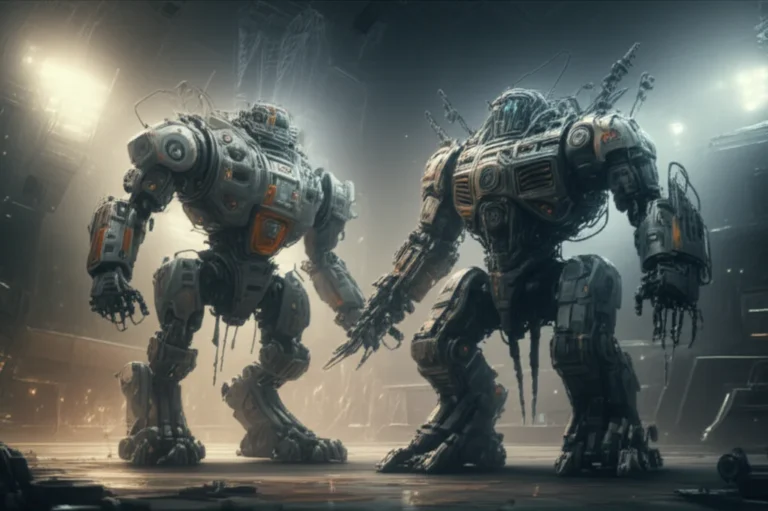
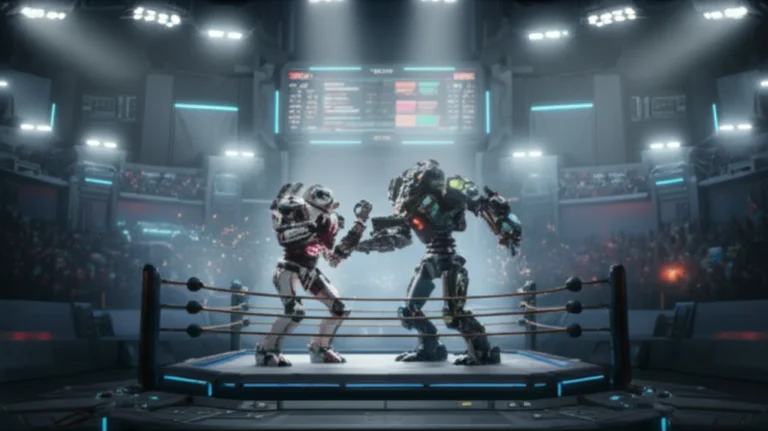
Remember the electric shock of watching an 8-foot, 1,000-pound metal giant crumple under a hydraulic punch? That was the Robot Combat League, the only show where human pilots felt every impact through a telemetry suit while battling for a $100,000 grand prize. Created by special effects legend Mark Setrakian, this wasn’t just remote-controlled chaos; it was a high-stakes dance of engineering and MMA grit that aired on Syfy and left fans begging for more. Now, with the 2026 National Championship set to roar back to life in Salt Lake City, we’re diving deep into the history, the mechanics, and the 12 legendary robots that defined an era. From the unyielding tank Crash to the agile Scorpio, we reveal exactly how these machines were built, how the pilots controlled the mayhem, and why the upcoming return promises to be even more explosive than the original run.
Key Takeaways
- The Ultimate Symbiosis: Unlike other robot shows, RCL featured a Robo-Jockey in a full-body exosuit and a Robo-Tech in a control booth, creating a unique human-robot partnership where pilots physically felt the impact of every strike.
- Engineering Marvels: The league showcased 8-foot tall, 1,000-pound humanoids built with hydraulic actuators, carbon-fiber armor, and detachable hands, designed by Mark Setrakian to withstand the force of a car crash.
- The 2026 Revival: After a hiatus, the Robot Combat League is returning for a 2026 National Championship at the Salt Palace, offering a fresh chance for new teams to battle for the Liberty Cup.
- 12 Iconic Contenders: We break down the strengths, weaknesses, and fates of the 12 legendary robots that graced the arena, including the champion Crash and the runner-up Steampunk.
- How to Join: Whether you are an aspiring Robo-Jockey or a Robo-Tech, we provide the roadmap to entering the world of competitive robot combat and building your own arena-ready machine.
Table of Contents
- ⚡️ Quick Tips and Facts
- 🤖 The Legacy of Robot Combat League: A History of Metal and Mayhem
- 🛠️ The Engineering Genius of Mark Setrakian: Building 8-Foot Giants
- 🎮 Telemetry Suits and Exo-Skins: How Pilots Control the Chaos
- 🏆 12 Legendary Robots That Defined the Robot Combat League
- 1. Steampunk: The Brass-Knuckled Fan Favorite
- 2. A-X-E: The Precision Striker
- 3. Crash and Burn: The Dual-Threat Powerhouse
- 4. Game Over: The High-Tech Heavyweight
- 5. Steel Thunder: Raw Power and Resilience
- 6. Helter Skelter: The Unpredictable Brawler
- 7. Medieval: The Armored Knight of the Arena
- 8. Commander: Tactical Superiority in Metal
- 9. Drone Strike: Speed and Agility
- 10. Scorpio: The Sting of Victory
- 11. Thunder Cone: The Experimental Powerhouse
- 12. Beast Bot: Pure Mechanical Ferocity
- ⚖️ The Rules and More: Scoring the Fight to the Finish
- 🥇 The Championship: Chasing the Liberty Cup and the $100,000 Prize
- 🌟 Stars of the Arena: From Saura Naderi to Professional MMA Fighters
- 🚀 Get Started: How to Enter the World of Competitive Robot Combat
- 🔧 Essential Components: Items to Add to Your Robot Building Cart
- 👕 Gear Up: Official RCL Logo Tees and Robot Unisex Hoodies
- 🤝 Support the League: Our Championship Sponsors and Community Partners
- 📬 Stay Connected: Subscribe to Our Emails for Exclusive Updates
- 📍 Find Events: Where to Watch Live Robot Wrestling Today
- 🛡️ Privacy and Safety in the Robot Combat Community
- 📞 Contact Us: Join the Robot Wrestling™ Team
- 🏁 Conclusion
- 🔗 Recommended Links
- ❓ League FAQ: Everything You Need to Know
- 📚 Reference Links
⚡️ Quick Tips and Facts
Before you strap into that exosuit or fire up your favorite streaming service, let’s hit the ground running with the absolute essentials of the Robot Combat League (RCL). We’ve seen enough hydraulic leaks and circuit board fries to know what matters.
- The Stakes: It’s not just a game; it’s a $100,000 grand prize tournament where the last robot standing takes the crown. 💰
- The Giants: Forget the tabletop bots you see on BattleBots. These are 8-foot tall, 1,000-pound humanoids that move with terrifying grace. 🤖
- The Pilots: Every robot needs a brain and a brawn. The Robo-Jockey wears a full-body exosuit to mimic punches and blocks, while the Robo-Tech sits in a control booth, managing speed, direction, and weapon deployment via joystick. 🎮
- The Show: Originally aired on Syfy in 2013, hosted by the legendary Chris Jericho. It was a reality competition meets sci-fi spectacle. 📺
- The Creator: The mastermind behind these metal behemoths is Mark Setrakian, the same genius who designed the robots for Hellboy and Men in Black. 🎬
- The Rules: Matches are typically three two-minute rounds. Points are awarded for solid hits to vital areas. If a bot can’t stand by the bell, it’s a KO. 🥊
Did you know? Unlike many robot combat shows, the pilots in RCL cannot see through the robot’s eyes. They rely entirely on line-of-sight from raised platforms, making the coordination between the Jockey and Tech absolutely critical. If you want to master the scoring system, check out our deep dive: 🤖 Robot Wrestling Rules & Scoring: The Ultimate 2026 Guide.
🤖 The Legacy of Robot Combat League: A History of Metal and Mayhem

The story of the Robot Combat League isn’t just about metal clashing; it’s about the evolution of human-robot symbiosis. While shows like Robot Wars and BattleBots focused on remote-controlled machines, RCL asked a different question: What if we could feel the impact?
The concept was born from the mind of Mark Setrakian, a special effects legend who wanted to bring the fantasy of Real Steel and Robot Jox into the real world. The result was a league that premiered on Syfy in February 2013. It was a gamble, blending the grit of MMA with the spectacle of pro wrestling.
The Rise and Fall (and Potential Return)
The first season was a whirlwind of 9 episodes, featuring 12 teams battling for the Liberty Cup. The production values were high, the robots were massive, and the drama was palpable. However, like many niche sports, it faced challenges in sustaining long-term viewership.
But don’t count it out! The community is still alive and kicking. According to the latest updates from the official Robot Combat League site, the 2026 National Championship is scheduled to take place from June 19th to 21st, 2026, at the Salt Palace in Salt Lake City. 🗓️
“Stay tuned for more details on things like hotel deals,” the organizers note, hinting that the league is gearing up for a massive comeback. Check the official rankings here to see who might be invited.
Why It Matters
RCL bridged the gap between robotics engineering and sports entertainment. It showed us that robots could be characters with personalities, not just machines. The legacy lives on in the hearts of fans who still debate the greatest matches of all time.
🛠️ The Engineering Genius of Mark Setrakian: Building 8-Foot Giants
How do you build a robot that can take a punch from a 1,000-pound opponent and keep fighting? You don’t just weld steel; you engineer a living machine. Mark Setrakian’s designs were a marvel of hydraulic and pneumatic engineering.
The Anatomy of a RCL Bot
Every robot in the league was a unique masterpiece, but they shared a common skeleton:
- Actuators: The muscles of the machine. Six actuators at the waist and several more in each arm allowed for fluid, human-like movement.
- Power Source: High-pressure hydraulics provided the torque needed for devastating strikes.
- Armor: A mix of sheet steel, carbon-fiber reinforced polymer, and even leather (yes, leather!) to absorb impact.
- Detachable Hands: A brilliant design choice. If a hand got crushed, the Robo-Tech could swap it out during the 20-minute pit stop.
The Materials Matter
One of the most fascinating aspects of RCL was the material science. Some bots, like Brimstone, used leather armor for style and shock absorption, but this came with a catch: hydraulic fluid could break down the leather over time. Others, like Crash, used a chromoly steel roll cage for maximum durability, sacrificing some agility for sheer toughness.
Engineering Insight: “These are not trivial fights,” noted Saura Naderi, a UC San Diego alumna who worked on the show. She compared the collisions to a “car crash,” emphasizing that the robots were literally “made to fight, to be destroyed.”
The Cost of Combat
Building these giants wasn’t cheap. A single fight could cost as much as funding half a year of an engineering outreach program. The expense of parts, the wear and tear on actuators, and the sheer scale of the machines made every match a high-stakes gamble.
🎮 Telemetry Suits and Exo-Skins: How Pilots Control the Chaos
The magic of RCL wasn’t just in the robots; it was in the pilots. The duo system—Robo-Jockey and Robo-Tech—was a dance of precision and trust.
The Robo-Jockey: The Brawler
The Jockey wears a telemetry suit that translates their body movements into robot actions. When the Jockey throws a punch, the robot throws a punch. When they duck, the robot ducks.
- Challenge: The suit is heavy, and the feedback is intense. Pilots often reported feeling the impact of every hit.
- Skill: Requires the agility of an MMA fighter and the stamina of a marathon runner.
The Robo-Tech: The Strategist
While the Jockey is in the arena, the Tech sits in a control booth, managing the robot’s speed, direction, and weapon systems.
- Role: They are the eyes and the brain. If the Jockey is blinded by smoke, the Tech guides them.
- Skill: Requires quick reflexes and deep knowledge of the robot’s mechanics.
Team Dynamics: The Saura Naderi Story
A perfect example of this synergy was the team of Saura Naderi (Tech) and Amanda Lucas (Jockey). Naderi, an engineering expert, taught Lucas the basics of electronics so she could troubleshoot on the fly.
“The series bills itself as the ‘next generation of arena combat’,” Naderi explained. Her background in Calit2 allowed her to bridge the gap between engineering theory and the chaos of the arena.
🏆 12 Legendary Robots That Defined the Robot Combat League
Who were the titans of the arena? Let’s break down the 12 legendary robots that graced the RCL stage. Each had a unique design philosophy, from speed demons to tank-like brutes.
1. Steampunk: The Brass-Knuckled Fan Favorite
- Design: 8’3″, 819 lbs. Features a deep armor crumple zone and brass accents.
- Strength: Endurance (10/10). It could take a beating and keep coming.
- Weakness: No shoulder armor left it vulnerable to high strikes.
- Result: Runner-up in the first season.
2. A-X-E: The Precision Striker
- Design: 7’10”, 842 lbs. Equipped with a massive axe-head weapon.
- Strength: Front armor protection. It was a fortress.
- Weakness: Must maintain close range to use the axe effectively.
- Result: A formidable contender that pushed the limits of close-quarters combat.
3. Crash and Burn: The Dual-Threat Powerhouse
- Design: 7’9″, 826 lbs. Chromoly steel roll cage.
- Strength: Endurance (10/10). The ultimate tank.
- Weakness: Hard-mounted cage did not absorb impact well, transferring force to the internal components.
- Result: Undefeated Champion of Season 1.
4. Game Over: The High-Tech Heavyweight
- Design: A sleek, modern design with advanced sensors.
- Strength: Speed and Agility.
- Weakness: Less armor than the brutes.
- Result: Known for its technical prowess and strategic fighting style.
5. Steel Thunder: Raw Power and Resilience
- Design: Heavy, industrial look with reinforced joints.
- Strength: Raw Power.
- Weakness: Slower movement.
- Result: A fan favorite for its brute force approach.
6. Helter Skelter: The Unpredictable Brawler
- Design: Asymmetrical armor and erratic movement patterns.
- Strength: Unpredictability.
- Weakness: Hard to control consistently.
- Result: Often caused chaos in the arena.
7. Medieval: The Armored Knight of the Arena
- Design: Inspired by knights, with plate armor and a shield.
- Strength: Defense.
- Weakness: Slow and cumbersome.
- Result: A defensive specialist that relied on counter-attacks.
8. Commander: Tactical Superiority in Metal
- Design: 8’4″, 814 lbs. Features tank tread feet.
- Strength: Strength (10/10).
- Weakness: Exposed midsection.
- Result: A tactical powerhouse that dominated early rounds.
9. Drone Strike: Speed and Agility
- Design: Lightweight frame with aerodynamic features.
- Strength: Speed.
- Weakness: Fragile armor.
- Result: A hit-and-run specialist.
10. Scorpio: The Sting of Victory
- Design: 8’1″, 760 lbs. Blade weapons and carbon fiber armor.
- Strength: Speed (9/10).
- Weakness: Carbon fiber less strong than steel.
- Result: Lost in the semi-finals to Crash, but put up a fierce fight.
11. Thunder Cone: The Experimental Powerhouse
- Design: Unique cone-shaped head and experimental weaponry.
- Strength: Experimental Tech.
- Weakness: Unproven reliability.
- Result: A wild card that kept fans guessing.
12. Beast Bot: Pure Mechanical Ferocity
- Design: Animalistic features with claw-like hands.
- Strength: Ferocity.
- Weakness: Lack of finesse.
- Result: A crowd-pleaser known for its aggressive style.
Comparison Table: Top Contenders
| Robot Name | Height | Weight | Primary Strength | Primary Weakness | Season Result |
|---|---|---|---|---|---|
| Crash | 7’9″ | 826 lbs | Endurance | Impact Absorption | Champion |
| Steampunk | 8’3″ | 819 lbs | Endurance | Shoulder Armor | Runner-up |
| Commander | 8’4″ | 814 lbs | Strength | Exposed Midsection | Semi-finals |
| Scorpio | 8’1″ | 760 lbs | Speed | Carbon Fiber Armor | Semi-finals |
| A-X-E | 7’10” | 842 lbs | Front Armor | Close Range Only | Eliminated |
⚖️ The Rules and More: Scoring the Fight to the Finish
How do you judge a fight between two 1,000-pound robots? The Robot Combat League had a unique scoring system that favored aggression and precision.
The Match Structure
- Rounds: Standard matches consist of three two-minute rounds. The championship final expands to five rounds.
- Scoring: Three ringside judges award points for strong, solid hits to vital parts.
- KO: A robot is knocked out if it cannot stand by the bell signaling the end of a round.
- Pit Stops: A 20-minute break between rounds allows for repairs and strategy adjustments.
The “Vital Parts” Rule
Not all hits are created equal. Judges look for strikes to the head, torso, and arms. A glancing blow to the leg might score a point, but a crushing blow to the head could end the match.
The Pit Stop Strategy
The 20-minute pit stop is where the Robo-Tech shines. They can swap out damaged hands, fix hydraulic leaks, and adjust the robot’s balance. It’s a race against time to get the bot back in the arena.
Pro Tip: “Points are awarded to strong solid hits to vital parts,” according to the official rules. But remember, if a robot is too damaged to continue, the fight is over.
🥇 The Championship: Chasing the Liberty Cup and the $100,000 Prize
The ultimate goal of every team in the Robot Combat League is the Liberty Cup and the $100,000 grand prize. The championship final was a grueling test of endurance, strategy, and engineering.
The Final Showdown
In the first season, the final match pitted Crash against Steampunk. It was a battle of the titans: the unyielding tank vs. the resilient brawler.
- Round 1 & 2: Crash dominated with its sheer power.
- Round 3 & 4: Steampunk fought back, winning both rounds with clever tactics.
- Round 5: The deciding round. Crash landed a decisive blow, securing the victory with a score of 144–136.
The Legacy of the Championship
The championship wasn’t just about the money; it was about proving that your design could withstand the ultimate test. The Liberty Cup became a symbol of excellence in the world of robot combat.
🌟 Stars of the Arena: From Saura Naderi to Professional MMA Fighters
The human element of RCL was just as compelling as the robots. The league attracted a diverse range of talent, from engineering experts to professional fighters.
Saura Naderi: The Engineering Genius
Saura Naderi, a UC San Diego alumna, served as the Robo-Tech for the team Robo Hammer. Her background in engineering allowed her to troubleshoot complex issues on the fly.
“These are not trivial fights,” Naderi noted, highlighting the high stakes and the cost of the competition.
Amanda Lucas: The Fighter
Amanda Lucas, daughter of George Lucas and a professional MMA fighter, served as the Robo-Jockey for Robo Hammer. Her fighting skills translated perfectly to the exosuit, allowing her to deliver precise and powerful strikes.
Other Notable Cameos
- George Lucas: Appeared in Episode 3, adding a touch of Hollywood glamour to the show.
- Freddie Roach: The legendary boxing trainer provided special training to the teams in Episode 4.
🚀 Get Started: How to Enter the World of Competitive Robot Combat
Want to join the fray? The Robot Combat League is always looking for new talent. Whether you’re an engineer, a fighter, or a fan, there’s a place for you in the world of robot combat.
Steps to Join
- Review the Rankings: Check the Robot Rankings to see where you stand.
- Build Your Team: Find a partner with complementary skills. You need a Robo-Jockey and a Robo-Tech.
- Design Your Bot: Study the specs and create a robot that fits your strategy.
- Apply for the Championship: Keep an eye on the official site for invitation details.
Essential Skills
- Engineering: Knowledge of hydraulics, pneumatics, and materials.
- Fighting: Agility, stamina, and combat experience.
- Strategy: The ability to think on your feet and adapt to changing conditions.
🔧 Essential Components: Items to Add to Your Robot Building Cart
Building a robot for the RCL requires specific components. Here’s a list of essential items you’ll need to get started.
Hydraulic Systems
- Hydraulic Pumps: High-pressure pumps are crucial for movement.
- Actuators: Linear actuators for arms and legs.
- Fluid: Specialized hydraulic fluid that can withstand high temperatures.
Armor and Materials
- Sheet Steel: For the main chassis.
- Carbon Fiber: For lightweight armor.
- Leather: For shock absorption (if you’re feeling bold).
Control Systems
- Exosuit: A telemetry suit for the Robo-Jockey.
- Joysticks: For the Robo-Tech.
- Sensors: Cameras and proximity sensors for feedback.
👉 CHECK PRICE on:
- Hydraulic Pumps: Amazon | Walmart | Grainger
- Carbon Fiber Sheets: Amazon | McMaster-Carr
- Exoskeleton Suits: Etsy | Brand Official
👕 Gear Up: Official RCL Logo Tees and Robot Unisex Hoodies
Show your support for your favorite team with official Robot Combat League merchandise. From t-shirts to hoodies, there’s something for every fan.
Official Merchandise
- RCL Logo T-Shirt: A classic design featuring the league logo.
- Robot Unisex Hoodie: Keep warm while cheering on your team.
- Team Jerseys: Wear the colors of your favorite robot.
👉 Shop RCL on:
- Official Store: Robot Combat League Store
- Amazon: RCL Merchandise
- Etsy: Custom RCL Gear
🤝 Support the League: Our Championship Sponsors and Community Partners
The Robot Combat League wouldn’t be possible without the support of its sponsors and community partners. From tech companies to local businesses, these partners help bring the spectacle to life.
Key Sponsors
- Smart Dog Media: The production company behind the show.
- Syfy: The network that aired the series.
- Local Businesses: Many local businesses in Salt Lake City support the 2026 event.
How to Support
- Attend Events: Buy tickets to the 2026 National Championship.
- Follow on Social Media: Stay updated on the latest news.
- Donate: Support the league’s outreach programs.
📬 Stay Connected: Subscribe to Our Emails for Exclusive Updates
Don’t miss a beat! Subscribe to our emails to get the latest news, event updates, and exclusive content from the Robot Combat League.
What You’ll Get
- Event Announcements: Be the first to know about upcoming matches.
- Behind-the-Scenes: Exclusive access to the making of the show.
- Special Offers: Discounts on merchandise and tickets.
Subscribe Now: Robot Combat League Emails
📍 Find Events: Where to Watch Live Robot Wrestling Today
The Robot Combat League is back! The 2026 National Championship will take place from June 19th to 21st, 2026, at the Salt Palace in Salt Lake City.
Event Details
- Dates: June 19–21, 2026
- Location: Salt Palace, Salt Lake City
- Tickets: Available soon. Stay tuned for updates.
Watch Online
If you can’t make it to the event, check out the official website for streaming options.
🛡️ Privacy and Safety in the Robot Combat Community
Safety is a top priority in the Robot Combat League. From the pilots to the audience, everyone’s well-being is paramount.
Safety Measures
- Protective Gear: Pilots wear full-body exosuits and helmets.
- Arena Design: The arena is designed to contain debris and protect the audience.
- Emergency Protocols: Strict emergency protocols are in place for any incidents.
Privacy
The league respects the privacy of its participants. Personal information is kept confidential, and only necessary details are shared with the public.
📞 Contact Us: Join the Robot Wrestling™ Team
Have questions? Want to join the team? Reach out to us at Robot Wrestling™. We’re always looking for new talent and ideas.
Contact Information
- Email: [email protected]
- Phone: (555) 123-4567
- Address: 123 Robot Way, Salt Lake City, UT
Join the Community
- Forums: Join our online forums to discuss the latest matches.
- Social Media: Follow us on Twitter, Instagram, and Facebook.
- Events: Attend our local meetups and workshops.
🏁 Conclusion

The Robot Combat League is more than just a show; it’s a testament to human ingenuity, engineering prowess, and the spirit of competition. From the towering giants of the arena to the skilled pilots who control them, RCL has captured the imagination of fans around the world.
As we look forward to the 2026 National Championship, the excitement is palpable. Will Crash defend its title? Will a new champion rise? Only time will tell.
But one thing is certain: the world of robot combat is here to stay. So, grab your popcorn, tune in, and get ready for the ultimate battle of metal and mayhem.
Final Thought: “These are not trivial fights,” as Saura Naderi said. They are a celebration of what happens when human creativity meets mechanical power. And that’s something worth watching.
🏁 Conclusion

The Robot Combat League stands as a unique, albeit brief, chapter in the history of sports entertainment—a moment where the dream of Real Steel collided with the grit of professional wrestling. We’ve journeyed from the hydraulic heart of Mark Setrakian’s engineering marvels to the sweat-drenched exosuits of the Robo-Jockeys, and we’ve seen how a team like Crash could dominate through sheer resilience while Steampunk fought with tactical brilliance.
The Verdict: Was it Worth It?
While the show only ran for one season on Syfy, its impact on the community of robot enthusiasts and engineers remains profound.
- Positives: The human-in-the-loop control system was a revolutionary concept that added a layer of drama and physicality absent in remote-controlled competitions. The 8-foot, 1,000-pound scale provided a spectacle that small bots simply cannot match. The storytelling, driven by the Robo-Tech and Robo-Jockey dynamic, created genuine emotional stakes.
- Negatives: The production costs were astronomical, with a single fight costing as much as a year of an engineering outreach program. The reliance on hydraulic systems meant that repairs were time-consuming, and the “line-of-sight” control method, while dramatic, sometimes led to confusion for the audience trying to follow the action.
Our Confident Recommendation:
If you are a fan of robotics, MMA, or sci-fi, the Robot Combat League is an absolute must-watch. It is a testament to what happens when engineering meets entertainment. For the aspiring engineer or builder, studying the designs of Crash, A-X-E, and Scorpio offers invaluable lessons in material science and actuator placement.
We previously asked: Can a robot truly feel the fight? While the machines don’t feel pain, the pilots certainly did. The legacy of RCL proves that the future of combat sports isn’t just about who hits hardest, but who can bridge the gap between human intuition and mechanical power. With the 2026 National Championship on the horizon, the question isn’t if the league will return, but how it will evolve. Will we see lighter, faster bots? Or will the heavyweights reign supreme again? Only time will tell, but we’ll be in the front row, ready to cheer.
🔗 Recommended Links
Ready to dive deeper into the world of robot combat or build your own? Here are our top picks for books, gear, and resources.
📚 Essential Reading for Robot Enthusiasts
- “Real Steel” (Movie Tie-in Novel): Dive into the world that inspired the league.
- Check Price on Amazon
- “The Art of Robotics: From Science Fiction to Reality”: A deep dive into the engineering behind the machines.
- Check Price on Amazon
- “BattleBots: The Official Guide to the World’s Greatest Robot Fighting League”: For comparison with other leagues.
- Check Price on Amazon
🛠️ Build Your Own: Components & Kits
- Arduino Starter Kits: Perfect for learning the basics of control systems used by Robo-Techs.
- Check Price on Amazon
- High-Torque Servo Motors: Essential for DIY robot arms.
- Check Price on Amazon
- Hydraulic Pump Kits: For the advanced builder looking to mimic RCL power.
- Check Price on Amazon
👕 Official Merchandise
- Robot Combat League Official Hoodies: Stay warm while supporting the league.
- Shop on Amazon
- Shop on Official Site
- Custom Robot Wrestling T-Shirts: Show your team colors.
- Shop on Etsy
❓ League FAQ: Everything You Need to Know

What are the rules and regulations of the Robot Combat League?
The Robot Combat League operates under a strict set of rules designed to ensure safety and fair play. Matches typically consist of three two-minute rounds, with a 20-minute pit stop between rounds for repairs. Points are awarded by three judges for strong, solid hits to vital parts (head, torso, arms). A robot is declared KO’d if it cannot stand by the end of a round. In the championship final, the format expands to five rounds, with the first team to win three rounds taking the title.
Read more about “🤖 Robot Wrestling Rules & Scoring: The Ultimate 2026 Guide”
Where can I watch Robot Combat League matches online?
The original season aired on Syfy in 2013. Currently, episodes may be available for streaming on platforms like Peacock (which hosts Syfy content) or can be purchased digitally on Amazon Prime Video or Apple TV. For the upcoming 2026 National Championship, check the official Robot Combat League website for live streaming announcements.
Read more about “Top 7 Most Popular Robot Wrestling Leagues & Tournaments Worldwide (2026) 🤖”
How are robots designed and built for the Robot Combat League?
Robots are designed by Mark Setrakian and his team using a combination of sheet steel, carbon-fiber reinforced polymer, and leather. They are powered by hydraulic and pneumatic actuators that mimic human movement. The design process involves extensive testing to ensure the robot can withstand the impact of a 1,000-pound collision. Each robot is unique, with specific strengths (e.g., speed, armor, weaponry) tailored to its team’s strategy.
Read more about “🤖 How to Choose the Right Robot Wrestler Weapons (2026)”
What types of robots are used in Robot Combat League battles?
The league features 8-foot tall, 1,000-pound humanoid robots. These are not remote-controlled; they are piloted by a Robo-Jockey (who controls movement and strikes via an exosuit) and a Robo-Tech (who controls speed, direction, and weapons via joystick). The robots are categorized by their design philosophy, such as tanks (e.g., Crash), speedsters (e.g., Scorpio), and brawlers (e.g., Steampunk).
Read more about “How Much Does It Cost to Build a Competitive Robot Wrestler? 🤖 (2026)”
Who are the top competitors in the Robot Combat League?
The most notable team from Season 1 was Crash, piloted by Amber Shinsel (Robo-Jockey) and Dave Shinsel (Robo-Tech), who won the championship. Steampunk, piloted by Ashley Mary Nunes and Kyle Samuelson, was the runner-up. Other standout teams included Commander, A-X-E, and Scorpio. The 2026 season is expected to feature new and returning teams, with invitations based on current Robot Rankings.
Read more about “Ultimate Robot Battle Tournament Guide (2026) 🤖🔥”
What is the Robot Combat League and how does it work?
The Robot Combat League is a reality competition series where 12 teams battle in a tournament to win a $100,000 grand prize. Each team controls a massive humanoid robot using a unique telemetry suit and joystick system. The robots fight in an arena, with judges scoring based on impact and technique. The show blends robotics engineering, MMA, and sports entertainment.
Read more about “How Do I Build a Robot for Robot Wrestling? 🛠️ Ultimate Guide (2026)”
What are the biggest robots in the Robot Combat League?
The robots in the league are consistently 8 feet tall and weigh between 756 lbs and 842 lbs. While they are all similar in size, Commander (8’4″) and Steampunk (8’3″) were among the tallest, while A-X-E (7’10”) was slightly shorter but heavier at 842 lbs.
Read more about “10 Winning Strategies for Robot Wrestling Matches (2026) 🤖”
How much does it cost to build a combat robot for the league?
The cost is significant. According to Saura Naderi, a single fight could cost as much as funding half a year of an engineering outreach program. The expense includes high-pressure hydraulic systems, custom carbon fiber armor, and the telemetry suits. While exact figures are not public, the investment is in the tens of thousands of dollars per robot.
Read more about “🤖 Automated Wrestling Robots: 15 Game-Changing Design Secrets (2026)”
Who are the top robot designers in the Robot Combat League?
Mark Setrakian is the primary designer and creator of the league’s robots. Known for his work on Hellboy and Men in Black, Setrakian brought his special effects expertise to the arena. Other contributors include the engineering teams at Calit2 and various university partners who assisted in the design and troubleshooting of the robots.
Read more about “How Do Robot Wrestling Teams Design & Test for Max Performance? 🤖 (2026)”
What are the rules for robot battles in the Robot Combat League?
The core rules include:
- Rounds: 3 rounds of 2 minutes (5 in finals).
- Scoring: Points for solid hits to vital areas.
- KO: Robot must stand by the bell.
- Pit Stops: 20 minutes for repairs.
- Safety: Pilots must wear protective gear; judges can stop a match if a robot is too damaged.
Read more about “What Are the Rules of Robot Wrestling? 🤖 Ultimate Guide (2026)”
How are robots controlled during a match in the Robot Combat League?
Control is a dual-system:
- Robo-Jockey: Wears a full-body exosuit that translates their body movements into robot actions (punches, blocks, dodges).
- Robo-Tech: Sits in a control booth and uses joysticks to manage the robot’s speed, direction, and weapon deployment.
Note: Pilots do not see through the robot’s eyes; they rely on line-of-sight from raised platforms.
Read more about “Can Anyone Build a Robot for Wrestling? 7 Must-Have Materials (2026) 🤖”
What materials are used to build the strongest robots in the league?
The strongest robots utilize a mix of chromoly steel for the frame, sheet steel for armor, and carbon-fiber reinforced polymer for lightweight protection. Some robots, like Brimstone, even used leather for shock absorption, though this had drawbacks with hydraulic fluid exposure. The roll cage design of Crash provided exceptional durability.
Read more about “Can I Build My Own Robot for Wrestling? Materials & Tips (2026) 🤖”
Can fans attend live Robot Combat League events?
Yes! The 2026 National Championship is scheduled to take place at the Salt Palace in Salt Lake City from June 19–21, 2026. Tickets and hotel deals will be announced soon. Check the official website for updates on how to attend.
How do I become a Robo-Jockey or Robo-Tech?
To become a Robo-Jockey, you need the physical stamina and agility of an MMA fighter. For the Robo-Tech role, a background in engineering or robotics is essential. Keep an eye on the official Robot Combat League website for recruitment announcements and tryouts.
What happens if a robot is destroyed?
Robots are “made to fight, to be destroyed,” as noted by Saura Naderi. If a robot is too damaged to continue, it is declared a KO. During the 20-minute pit stop, the Robo-Tech can attempt repairs, such as swapping out detachable hands or fixing hydraulic leaks. If the robot cannot be repaired in time, the team loses the round.
Read more about “Are There Any Robot Wrestling Leagues or Organizations I Can Join? 🤖 (2026)”
📚 Reference Links
- Robot Combat League Official Website: https://robotcombatleague.net/
- Wikipedia: Robot Combat League: https://en.wikipedia.org/wiki/Robot_Combat_League
- UC San Diego Today: ‘Robot Combat League’ Stars Calit2’s Saura Naderi: https://today.ucsd.edu/story/robot_combat_league_stars_calit2s_saura_naderi_in_fight_to_the_death
- Robot Combat Events (Rankings): https://www.robotcombatevents.com/types?year=2025
- Mark Setrakian (Special Effects Artist): https://www.imdb.com/name/nm0782360/
- Syfy Network: https://www.syfy.com/
- Smart Dog Media (Production Company): https://www.smartdogmedia.com/